Best Cars to Buy in Super Hot Countries Like Thailand: Top EVs and Gasoline Picks for Extreme Heat and Humidity
Thailand’s climate is no joke. Daytime temperatures regularly hit 35-40°C (95-104°F) with humidity above 80%, while the rainy season brings flooding that tests ground clearance and electrical systems. Add Bangkok’s notorious gridlock and poor road conditions in rural areas, and you need a car built for the heat — not just any model will survive long-term without expensive repairs or range anxiety.
As a seasoned automotive journalist who’s tested dozens of vehicles across Southeast Asia, I’ve seen what works and what doesn’t in super-hot countries. Here are the best gasoline (including hybrids) and EV picks for Thailand in 2025-2026. These recommendations factor in real-world AC performance, engine/battery thermal management, parts availability, resale value, and popularity in the Thai market.
Why Heat and Humidity Matter When Buying a Car in Thailand
- AC is king: Weak systems struggle to cool cabins quickly in stop-go traffic.
- Engine and battery cooling: Overheating leads to breakdowns; EVs need active thermal management to protect range and longevity.
- Flood resilience: Higher ground clearance helps during monsoons.
- Fuel efficiency and running costs: Traffic and AC use eat into economy — hybrids and efficient EVs shine here.
- Service network: Toyota and Honda dominate Thailand with widespread dealerships and cheap parts.
Toyota and Honda still rule the roads, but Chinese EV brands like BYD are surging thanks to government incentives and local production.

Best Gasoline and Hybrid Cars for Thailand’s Heat
These proven models excel in reliability, strong factory AC, and heat-resistant engineering. Hybrids offer the best of both worlds with excellent efficiency and continuous cabin cooling.
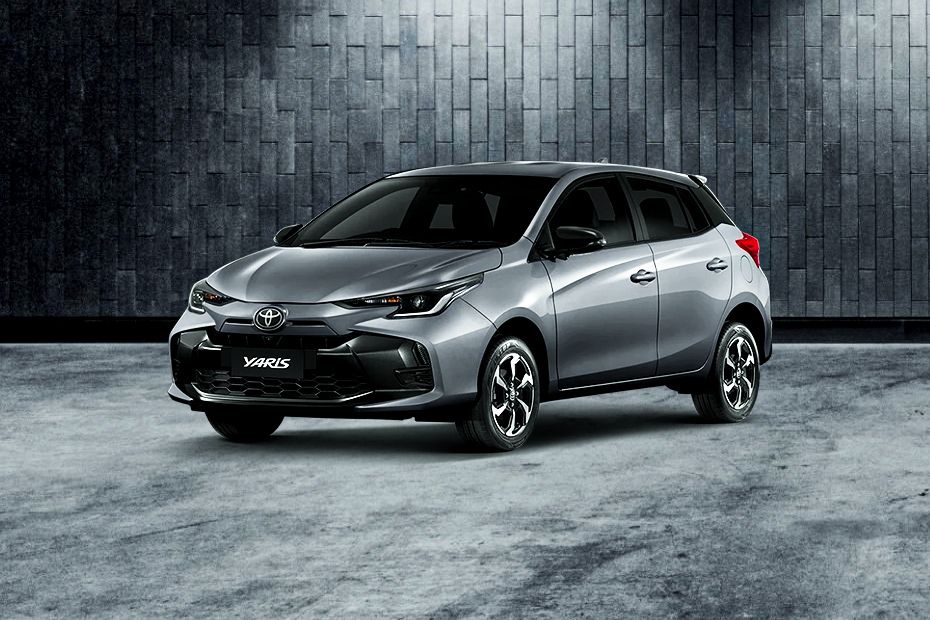
1. Toyota Yaris Ativ (including HEV version)
Thailand’s bestseller for a reason. Compact, fuel-efficient (up to 23+ km/l in hybrid form), and packed with modern safety tech. The hybrid’s electric motor provides instant AC even when the engine is off — perfect for idling in Bangkok heat. Reliable 1.5L engine rarely overheats, and the elevated ride height handles minor floods.

Pros: Bulletproof reliability, low running costs, huge dealer network.
Cons: Basic interior compared to pricier rivals.
Price range: ~฿550,000–750,000. Ideal for city commuters and families.
2. Honda City
A Thai favorite with sharp handling and one of the strongest AC systems in its class. The 1.5L engine stays cool even in 40°C traffic, and the spacious cabin feels airy. Excellent build quality resists humidity-related corrosion better than many imports.

Pros: Fun to drive, comfortable seats, great resale value.
Cons: Slightly firmer ride on potholed roads.
Price range: ~฿550,000–700,000. Perfect daily driver.
3. Toyota Hilux Revo / Isuzu D-Max
For those needing utility, these pickups dominate Thailand’s sales charts. High ground clearance, snorkel options, and rugged diesel/gas engines shrug off heat, dust, and floods. The Hilux’s reputation for indestructibility is legendary in tropical Asia.
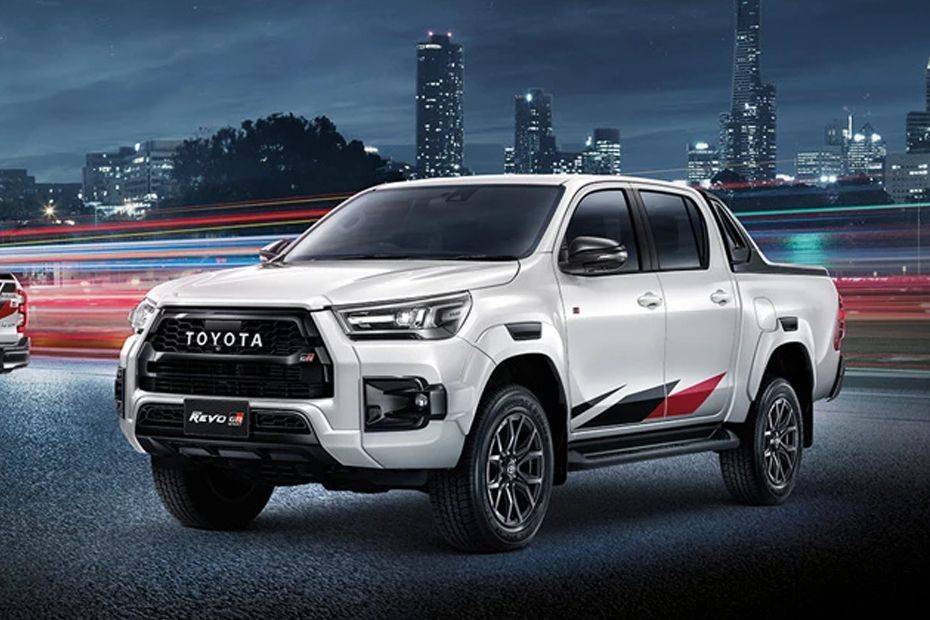
Pros: Tough as nails, excellent for business or family adventures.
Cons: Thirsty in city traffic (diesel versions more efficient).
Price range: ~฿700,000–1,200,000. Best for upcountry or work use.
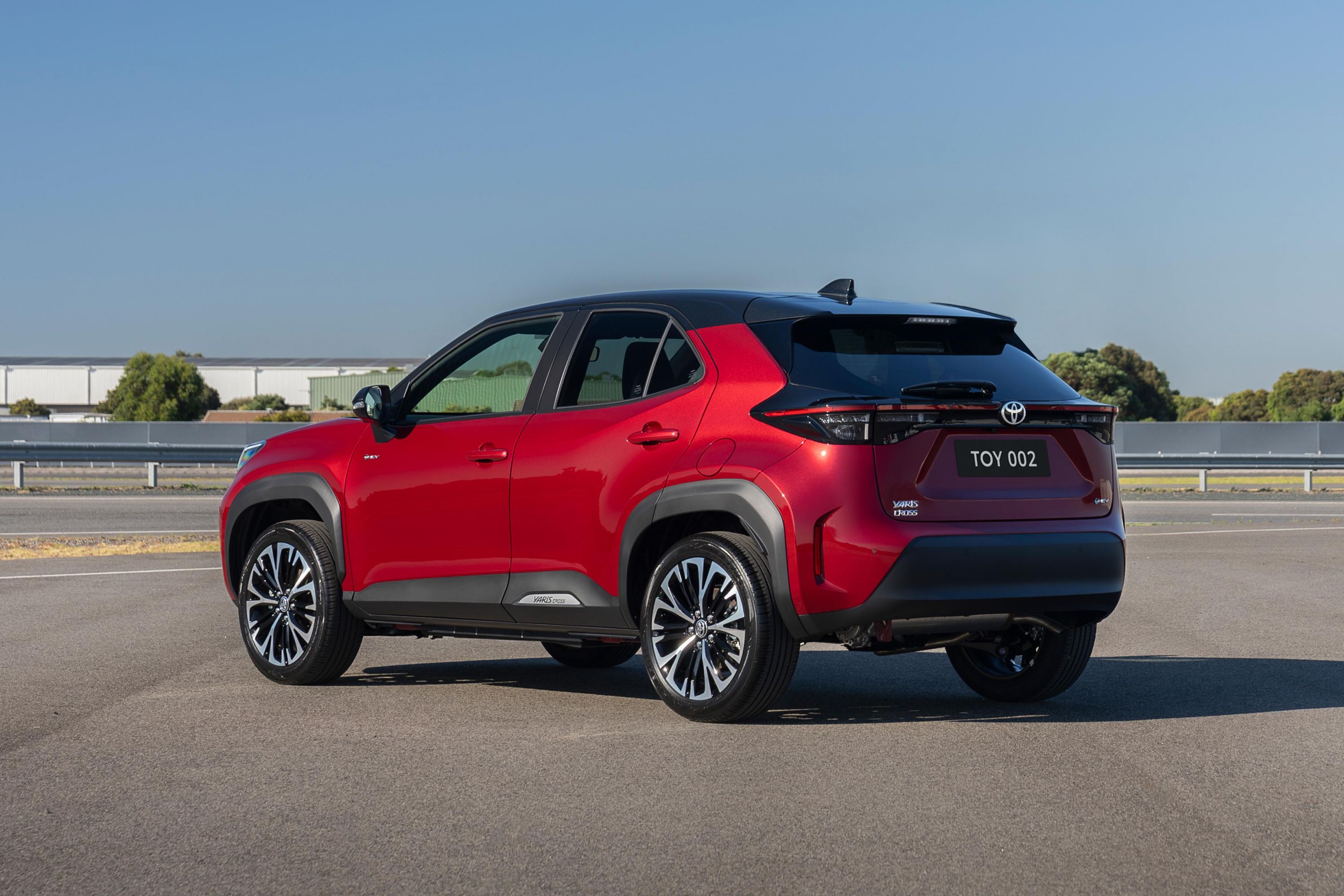
4. Toyota Yaris Cross (Hybrid)
A crossover with elevated stance for floods, hybrid efficiency, and premium feel. Outstanding thermal management keeps the cabin ice-cold.
Best Electric Vehicles (EVs) for Super Hot Climates Like Thailand
EVs are booming in Thailand (sales up massively in 2025), but heat can reduce range by 5-10% and accelerate battery wear if cooling is poor. Look for models with active liquid cooling and LFP batteries (more heat-tolerant than NMC).
1. BYD Dolphin
Thailand’s EV sales leader for good reason. Affordable, spacious hatchback with BYD’s Blade Battery (LFP chemistry) that handles extreme heat exceptionally well. Strong AC, 400+ km real-world range in Thai conditions, and fast charging at PTT stations.

Pros: Low running costs (electricity vs. petrol), modern tech, warranty on battery.
Cons: Build quality improving but still lags Toyota in some areas.
Price range: ~฿570,000–700,000. Best entry-level EV.
2. BYD Atto 3
Compact crossover with excellent battery thermal management. Smooth, quiet ride perfect for hot commutes. Real-world range holds up well in 35°C+ heat thanks to advanced cooling.
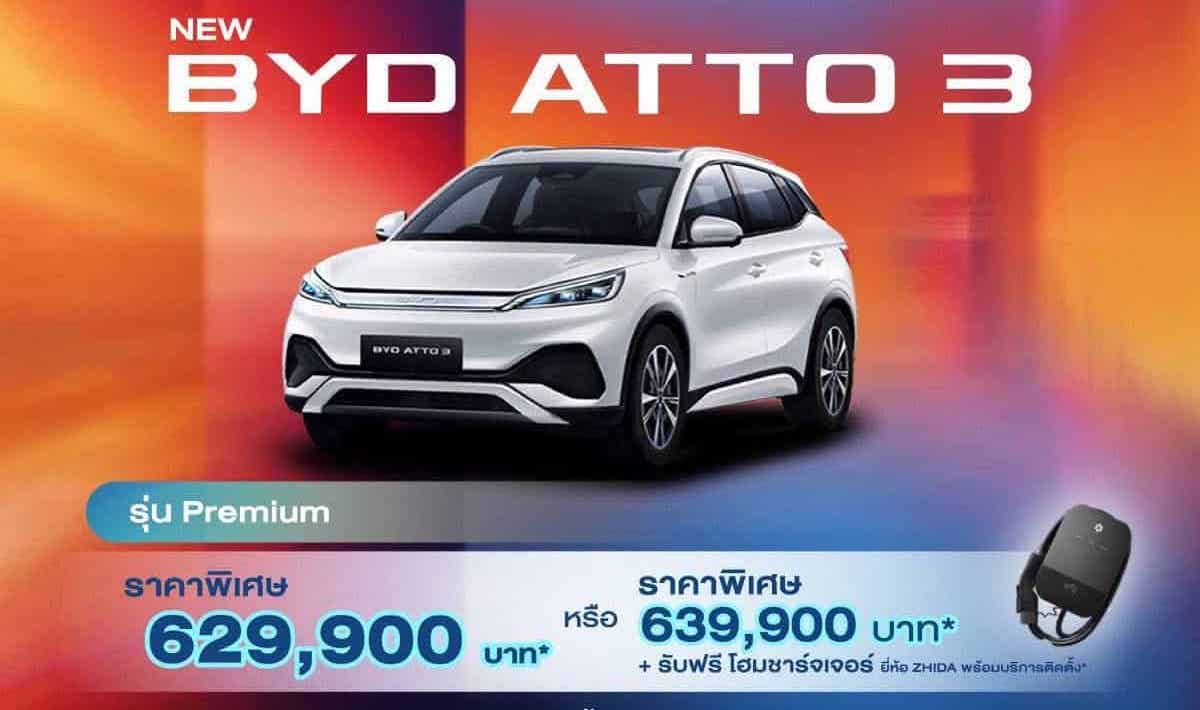
Pros: Spacious, feature-packed, strong safety ratings.
Cons: Slightly higher price than Dolphin.
Price range: ~฿900,000–1,100,000. Family-friendly EV choice.
3. Tesla Model Y
Premium option with best-in-class cabin overheat protection and active battery preconditioning. Holds range better in summer heat than most rivals. Superchargers expanding rapidly in Thailand.

Pros: Cutting-edge tech, over-the-air updates, long range.
Cons: Higher upfront cost, service network still growing.
Price range: ~฿1,700,000+. For buyers wanting luxury and performance.
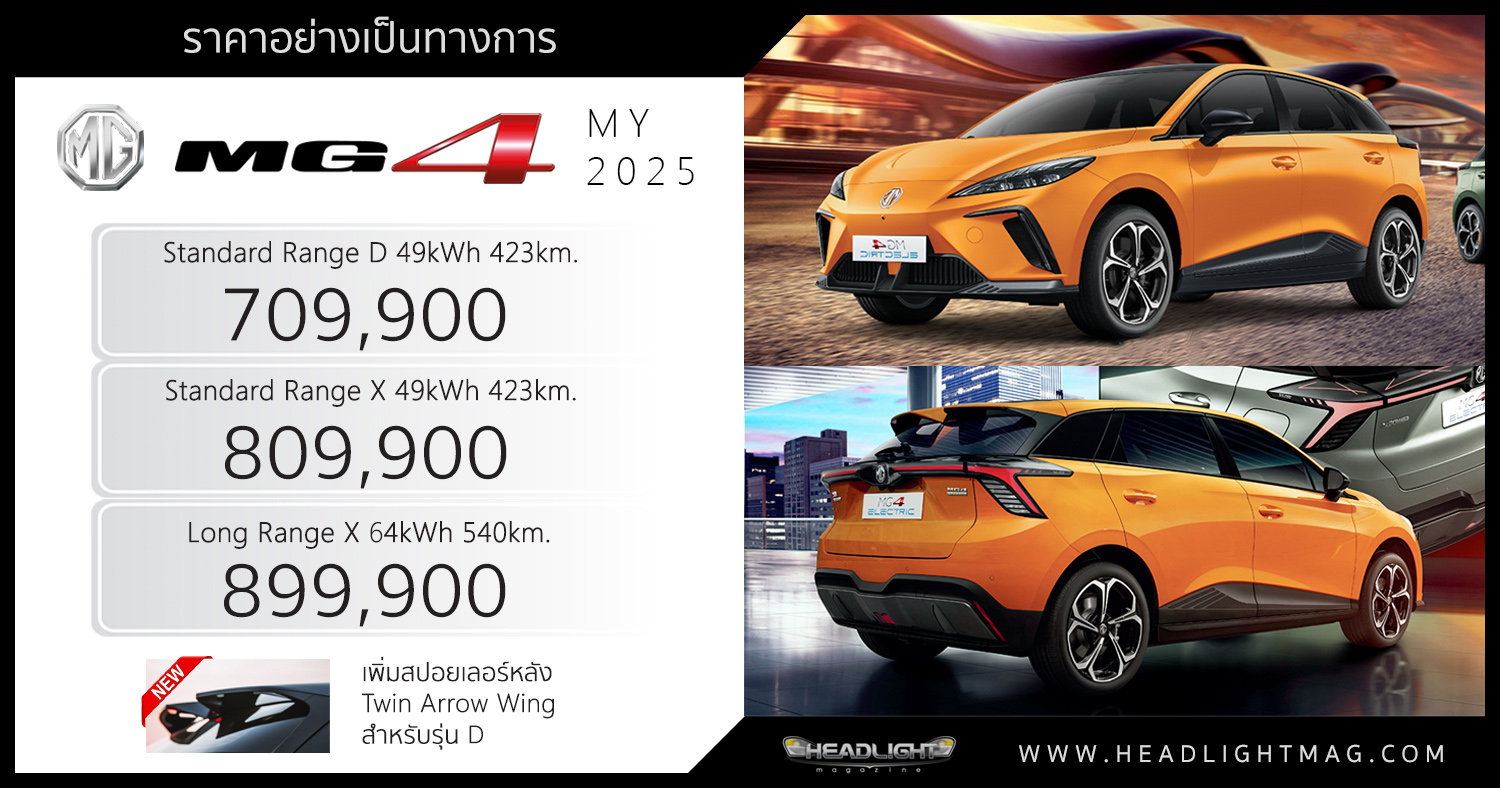
Honorable mentions: MG4 (sporty and affordable), Jaecoo 5 EV (new contender climbing sales charts).

Final Buying Advice for Hot-Climate Cars in Thailand
- Test the AC rigorously during a demo drive in midday heat.
- Prioritize hybrids if you’re not ready for full EV — they offer near-EV efficiency with gasoline reliability.
- Check flood history and opt for higher ride height.
- Factor in incentives: EV subsidies and tax breaks still apply in 2025-2026.
- Resale matters: Toyota and Honda hold value best; BYD is catching up fast.
Whether you go gasoline, hybrid, or full EV, the key is choosing a vehicle engineered for the tropics. Thailand’s roads reward durability and efficiency — these picks deliver exactly that while keeping you cool and comfortable no matter how brutal the sun gets.

Drive safe, stay cool, and enjoy the ride!