Complete 370Z E85 Fuel System Kit Guide for VQ37VHR
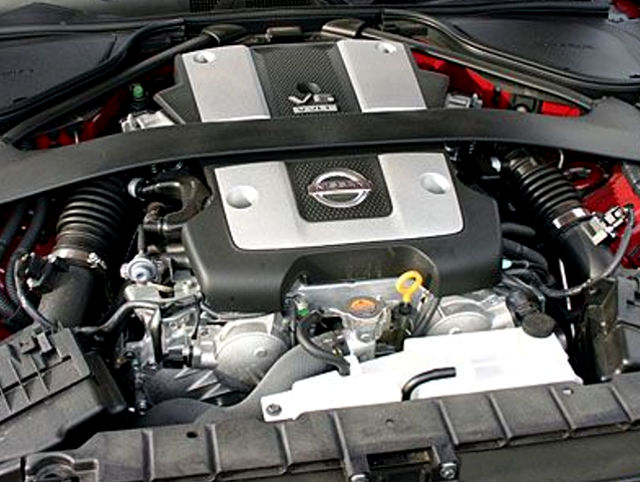
Converting your Nissan 370Z to E85 ethanol fuel represents one of the most effective ways to unlock significant horsepower gains from the VQ37VHR engine. However, successfully running E85 requires more than simply filling the tank—you need a complete fuel system conversion designed for ethanol’s unique properties. This comprehensive guide covers everything you need to know about 370Z E85 conversion, from required components to installation costs and tuning requirements.
As an automotive engineer who has performed dozens of E85 conversions on Japanese performance vehicles, I’ve learned that proper preparation and quality components make the difference between reliable power gains and frustrating fuel system issues. What follows is not just a parts list, but a complete understanding of converting your 370Z’s fuel system for E85 operation.
Why E85 for 370Z VQ37VHR?
The Power Potential
The VQ37VHR’s 3.7L V6 responds exceptionally well to E85 ethanol fuel. With proper tuning and supporting modifications, enthusiasts routinely report 30-50 horsepower gains over gasoline-only configurations. This performance increase comes from several factors:
Ethanol’s Advantages:
- Higher Octane Rating: E85 typically has an effective octane rating of 105-113, far exceeding premium gasoline’s 91-93 octane
- Increased Compression Tolerance: Higher octane allows more aggressive ignition timing without detonation
- Improved Combustion Efficiency: Ethanol’s oxygen-rich combustion enables more complete fuel burn
- Charge Cooling Effect: Ethanol’s higher heat of vaporization cools intake air, reducing detonation risk
Real-World 370Z E85 Results:
- Stock VQ37VHR (Gasoline): 332 hp, 270 lb-ft
- E85 + Tune (Stock Hardware): 360-370 hp, 290-300 lb-ft
- E85 + Tune + Intake/Exhaust: 380-410 hp, 310-330 lb-ft
Cost vs. Benefit Analysis
| Modification | Cost | Power Gain | Cost Per HP |
|---|---|---|---|
| E85 Tune Only | $500-800 | 30-40 hp | $13-27/hp |
| Full Fuel System + Tune | $2,500-4,000 | 40-50 hp | $50-100/hp |
| Full Build (Fuel + Intake + Exhaust) | $4,500-6,500 | 50-80 hp | $56-130/hp |
Compared to traditional forced induction modifications (turbo/supercharger kits starting at $6,000+), E85 conversion offers exceptional power per dollar spent—especially when you consider the tuning flexibility ethanol provides.
E85 Compatibility: Is My 370Z Ready?
VQ37VHR Ethanol Compatibility
The VQ37VHR engine features several characteristics that make it excellent for E85 conversion:
Engine-Friendly Features:
- Aluminum Block and Heads: Ethanol is less corrosive to aluminum than older iron engines
- Factory High-Flow Injectors: VQ37VHR injectors have capacity for moderate E85 tunes without replacement
- Electronic Throttle Bodies: Ethanol-compatible design
- Variable Valve Event & Lift (VVEL): E85 allows more aggressive VVEL tuning
Potential Concerns:
- Fuel Pump Capacity: Stock pump may struggle with high E85 demand
- Fuel Lines: Factory lines are ethanol-compatible but benefit from upgrading
- Tuning Complexity: VVEL requires experienced tuner familiar with ethanol mapping
Model Year Considerations
All 370Z model years (2009-2020) are fundamentally E85-compatible with proper fuel system upgrades. However, there are year-specific considerations:
| Model Year | E85 Compatibility | Notes |
|---|---|---|
| 2009-2012 | Excellent | Early model years well-documented for E85 conversion |
| 2013-2014 | Excellent | Minor electrical system refinements, no impact on fuel system |
| 2015-2016 | Excellent | Updated ECU hardware, same compatibility |
| 2017-2020 | Excellent | Nismo and updated trims benefit equally from E85 |
Complete 370Z E85 Fuel System Conversion Kit
Mandatory Components
To run E85 safely in your 370Z, you need to upgrade several fuel system components. Attempting to run E85 on stock fuel system will result in lean conditions, potential engine damage, and frustrating driveability issues.
1. Upgraded Fuel Pump
Why Required: Stock fuel pump cannot deliver sufficient volume for E85’s approximately 30% higher fuel consumption.
Recommended Options:
| Option | Price | Flow Rate | Notes |
|---|---|---|---|
| DeatschWerks DW300 | $350-450 | Direct drop-in, 267 lph @ 40 psi | |
| AEM 320lph High Flow | $280-380 | Budget-friendly, 320 lph @ 43 psi | |
| Walbro 450lph | $400-550 | Overkill for most builds, future-proofing |
Installation: Direct replacement in fuel pump assembly. Requires draining fuel tank and removing rear seat.
2. Ethanol-Compatible Fuel Lines
Why Required: While factory lines handle E85, upgrading prevents flow restrictions and potential degradation over time.
Recommended Options:
| Option | Price | Material | Size |
|---|---|---|---|
| PBM -8 AN Lines | $250-350 | Stainless steel braided | |
| Radium Engineering Fuel Cell Kit | $400-600 | Aluminum fittings, high quality | |
| Earls Pro-Line | $300-450 | PTFE inner liner, ethanol-resistant |
Installation: Replaces stock rubber lines from fuel pump to fuel rail. Minimal fabrication required for direct-fit kits.
3. Upgraded Fuel Injectors
Why Required: While stock injectors handle moderate E85 tunes, increased ethanol demand requires higher capacity.
Recommended Options:
| Option | Price | Flow Rate | Notes |
|---|---|---|---|
| DeatschWerks 700cc | $450-550 | Drop-in replacement, no ECU retuning | |
| Injector Dynamics 1000cc | $600-750 | Overkill for most, requires extensive tuning | |
| ID1050X | $700-900 | Premium option, excellent atomization |
Stock Injectors vs. E85:
- Stock (VQ37VHR): 450cc capacity suitable for gasoline
- E85 Demand: Requires 30% more fuel = 585cc equivalent
- Recommended Upgrade: 700cc injectors provide 20% overhead for future modifications
4. Ethanol Filter System
Why Required: E85’s solvent properties dislodge deposits from fuel system components, requiring enhanced filtration.
Recommended Options:
| Option | Price | Micron Rating | Features |
|---|---|---|---|
| Radium Engineering FST | $150-200 | 100 micron, stainless mesh | |
| Fuelab 818 | $180-250 | Universal, replaceable element | |
| PBM Filter Kit | $120-160 | Pre-filter for fuel pump protection |
Installation: In-line installation between fuel pump and rail. Accessible under vehicle.

Optional but Recommended Components
1. Adjustable Fuel Pressure Regulator
Price: $250-400 Purpose: Fine-tune fuel delivery, especially at high boost levels (if adding forced induction later) Recommended: Aeromotive A1000, DeatschWerks adjustable FPR
2. Fuel Pressure Gauge
Price: $80-150 Purpose: Monitor fuel pressure for proper tuning and troubleshooting Recommended: GlowShift, Autometer electronic gauges
3. Ethanol Content Analyzer
Price: $200-350 Purpose: Verify actual ethanol content at pump (E85 varies seasonally between 51-85%) Recommended: Innovate Motorsports MTX-L, Haltech CAN ethanol sensor
4. Wideband O2 Gauge
Price: $200-300 Purpose: Monitor air/fuel ratio for tuning and driveability Recommended: AEM UEGO, Innovate LC-2
Installation Guide: Converting Your 370Z to E85
Preparation Phase
Safety Precautions:
- Work in well-ventilated area away from ignition sources
- Disconnect battery negative terminal before fuel system work
- Relieve fuel system pressure before disconnecting lines
- Use eye protection and nitrile gloves (ethanol absorbs through skin)
Tools Required:
- Fuel line disconnect tools (or pliers for clamp-type)
- Socket set (10mm-14mm)
- Fuel pump removal tool (or modified socket)
- Wire strippers/crimpers (if modifying wiring)
- Flashlight for fuel tank access
Step-by-Step Installation
Step 1: Drain Fuel System
- Remove fuel tank cap to relieve vacuum
- Locate fuel pump access panel under rear seat cushion
- Disconnect electrical connector and fuel lines (catch fuel in approved container)
- Remove fuel pump assembly
Pro Tip: Fill tank with 1-2 gallons of E85 to flush old gasoline from system during first start.
Step 2: Install Upgraded Fuel Pump
- Replace stock pump with E85-compatible unit (direct swap for most kits)
- Replace fuel pump filter sock with ethanol-resistant version
- Reinstall fuel pump assembly, ensuring proper seal
- Reconnect electrical connector and fuel lines
Testing: Turn ignition to “ON” (don’t start) for 3 seconds to prime system. Check for leaks.
Step 3: Install Ethanol Fuel Lines
- Remove stock fuel lines from pump to rail
- Install upgraded ethanol-compatible lines
- Route lines away from heat sources and moving components
- Secure with appropriate clips/clamps
Note: Some direct-fit kits include pre-bent lines for easier installation.
Step 4: Install Upgraded Injectors
- Remove engine cover and intake manifold
- Disconnect electrical connectors from stock injectors
- Remove fuel rail (retain stock fuel rail bolts)
- Remove stock injectors (clean fuel rail and injector seals)
- Install upgraded injectors with new O-rings (supplied in most kits)
- Reinstall fuel rail and intake manifold
- Torque to manufacturer specifications (typically 7-10 ft-lbs)
Critical: Don’t reuse old O-rings—ethanol causes them to swell and leak.
Step 5: Install Ancillary Components
- Install fuel filter in accessible location
- Mount fuel pressure gauge (if applicable)
- Install ethanol content analyzer (if applicable)
- Route wiring neatly, away from heat sources
Step 6: Reconnect and Test
- Reconnect battery negative terminal
- Turn ignition “ON” to prime fuel system (3 cycles of 3 seconds)
- Start engine and let idle for 5 minutes
- Check for leaks at all connections
- Monitor fuel pressure and wideband readings
Initial Tune Consideration: First start with conservative tune (leaner than expected final E85 map) to avoid potential damage from residual gasoline in system.
Tuning Your 370Z for E85
ECU Requirements
The VQ37VHR’s ECU requires reprogramming for E85 operation. Stock ECU calibration cannot adapt to ethanol’s different stoichiometric ratio (9.8:1 vs. 14.7:1 for gasoline).
Tuning Options:
| Option | Price | Complexity | Features |
|---|---|---|---|
| UpRev Rev7 | $600 + $150 license | Real-time tuning, VVEL adjustment, excellent support | |
| ECUtek | $800-1,200 | Direct ECU programming, no piggyback required | |
| Haltech Elite Series | $1,500-2,000 | Standalone ECU, unlimited tuning capability | |
| AEM Infinity | $1,200-1,800 | Standalone ECU, advanced features |
Tuning Process
Dyno Tuning (Recommended):
- Base Tune: Start with gasoline-based map as baseline
- Fuel Map Adjustment: Increase fuel tables by 30% across all ranges
- Ignition Timing Advance: Increase 2-5 degrees depending on knock sensors
- VVEL Optimization: Adjust cam timing for E85’s higher octane
- WOT Tune: Wide-open throttle optimization for maximum power
- Part-Throttle Tuning: Ensure smooth driveability at partial throttle
Street Tuning (For Advanced DIY):
- Use wideband O2 gauge for feedback
- Make small adjustments (2-3% fuel changes)
- Log data and analyze for lean/rich spots
- Repeat across entire rpm/load range
Critical Safety: Always tune conservatively initially. E85’s cooling effect can mask detonation, potentially leading to engine damage if tune is too aggressive.
370Z E85 Cost Breakdown
Parts Costs
| Component | Budget Option | Mid-Range Option | Premium Option |
|---|---|---|---|
| Fuel Pump | $280 (AEM) | $400 (DeatschWerks DW300) | $550 (Walbro 450) |
| Fuel Lines | $250 (PBM) | $400 (Radium) | $600 (Earls Pro-Line) |
| Injectors | $450 (DeatschWerks 700cc) | $600 (ID1000cc) | $900 (ID1050X) |
| Filter System | $120 (PBM) | $180 (Fuelab) | $250 (Radium) |
| Tuning Software | $600 (UpRev) | $1,200 (ECUtek) | $2,000 (Haltech) |
| Tuning Labor | $500 (4-6 hours) | $800 (8-10 hours) | $1,200 (12-15 hours) |
| Total Parts Cost | $1,700 | $2,580 | $4,300 |
| Total Installed Cost | $2,200 | $3,380 | $5,500 |
DIY vs. Professional Installation
| Approach | Total Cost | Time Required | Skill Level |
|---|---|---|---|
| DIY Installation | $1,700-2,800 | 8-15 hours | Advanced |
| Pro Installation (Parts Supplied) | $2,200-3,200 | 6-8 hours | N/A |
| Complete Turnkey (Parts + Labor) | $3,000-5,500 | 4-6 hours | N/A |
E85 vs. Gasoline: Performance and Operating Costs
Performance Comparison
| Metric | Gasoline (91 Octane) | E85 | Difference |
|---|---|---|---|
| Horsepower (Stock Hardware) | 332 hp | 365-370 hp | +33-38 hp |
| Horsepower (Full Build) | 380 hp | 420-450 hp | +40-70 hp |
| Torque | 270 lb-ft | 290-310 lb-ft | +20-40 lb-ft |
| 0-60 mph | 5.1-5.3 seconds | 4.7-4.9 seconds | -0.2-0.4 seconds |
| 1/4 Mile | 13.2-13.6 seconds | 12.6-13.0 seconds | -0.4-0.6 seconds |
Fuel Economy Impact
E85’s lower energy density means increased fuel consumption:
| Driving Condition | Gasoline MPG | E85 MPG | Efficiency Loss |
|---|---|---|---|
| City | 18-20 | 12-14 | -30-35% |
| Highway | 25-28 | 17-19 | -30-35% |
| Combined | 21-23 | 14-16 | -30-35% |
Cost Per Mile Analysis:
Assuming typical US prices (as of 2026):
- Premium Gasoline: $4.50/gallon
- E85: $3.20/gallon
| Fuel | MPG | Cost/Gallon | Cost/Mile |
|---|---|---|---|
| Gasoline | 21 mpg | $4.50 | $0.214 |
| E85 | 15 mpg | $3.20 | $0.213 |
Result: Despite lower fuel economy, E85’s cost per mile is essentially equal to premium gasoline—while delivering 30-40 more horsepower.
Maintenance and Care for E85 Systems
Regular Maintenance Requirements
E85 systems require specific maintenance to ensure reliability:
Weekly/Monthly:
- Check ethanol content analyzer (seasonal variations occur)
- Inspect fuel lines and connections for leaks
- Monitor wideband readings for tune drift
Every 3-6 Months:
- Replace fuel filter element (E85’s solvent properties dislodge contaminants)
- Clean fuel pressure sensor (if applicable)
- Inspect injectors for signs of ethanol degradation
Annually:
- Inspect fuel pump assembly for corrosion
- Replace fuel lines if signs of degradation (cracking, soft spots)
- Have professional tune-up for optimal performance
Winter Storage
E85 Moisture Concerns: Ethanol absorbs water from atmosphere, leading to potential issues during cold weather.
Winter Preparation:
- Run tank to 1/4 full before storage
- Add fuel stabilizer designed for ethanol (Sta-Bil Marine Ethanol Treatment)
- Store in climate-controlled garage if possible
- After storage, top up with fresh E85 and monitor for phase separation
Cold Weather Operation:
- Use E70 blend if available (better cold weather starting)
- Consider gasoline backup for extreme cold situations
- Block heater helps cold starts with ethanol fuel
Common 370Z E85 Issues and Solutions
Issue 1: Hard Starting in Cold Weather
Cause: Ethanol’s higher vapor pressure makes cold starts difficult in sub-freezing temperatures.
Solutions:
- Use block heater to warm engine before starting
- Blend E85 with gasoline (E50/E70) in winter months
- Add cold-weather fuel additive (Heet, etc.)
Issue 2: Fuel Pressure Drops at High RPM
Cause: Inadequate fuel pump flow for E85’s increased demand.
Solutions:
- Upgrade to higher-flow pump (Walbro 450lph)
- Verify fuel lines aren’t restricted
- Check fuel filter for clogging
Issue 3: Lean Conditions Under Boost
Cause: Insufficient injector capacity for forced induction + E85.
Solutions:
- Upgrade to 1000cc+ injectors
- Have professional retune for combination
- Consider dual-pump setup for high-horsepower builds
Issue 4: Intermittent Stalling
Cause: ECU tune not compensating for ethanol content variations.
Solutions:
- Install ethanol content analyzer for real-time monitoring
- Have tuner create conservative map for E51-E85 range
- Monitor wideband during initial tuning phases
370Z E85 Frequently Asked Questions
Is E85 safe for the VQ37VHR engine?
Yes, E85 is safe for the VQ37VHR with proper fuel system upgrades and tuning. The engine’s aluminum construction and high-flow fuel system make it well-suited for ethanol conversion.
How much horsepower will E85 add to my 370Z?
Typical gains range from 30-50 horsepower on stock hardware, with potential for 50-80 hp gains when combined with intake/exhaust modifications.
Do I need to replace my 370Z’s injectors for E85?
Yes and no. Stock injectors handle moderate E85 tunes (approximately 30% more fuel), but upgrading to 700cc injectors provides margin for future modifications and reliability.
How long does a 370Z E85 conversion take?
DIY installation typically requires 8-15 hours for a complete fuel system conversion. Professional installations can be completed in 6-8 hours.
Is E85 cheaper than gasoline for the 370Z?
No and yes. While E85 costs less per gallon, the 30-35% fuel economy reduction means cost per mile is roughly equal to premium gasoline. However, you gain 30-50 horsepower at essentially the same operating cost.
Can I mix E85 with gasoline in my 370Z?
Yes, mixing is safe and common, especially during cold weather. However, your ECU tune should account for varying ethanol content (E51-E85 range).
What maintenance is different with E85?
E85 systems require more frequent fuel filter changes (every 3-6 months) and regular ethanol content monitoring. Otherwise, maintenance intervals remain similar to gasoline-powered vehicles.
Should I run E85 year-round or seasonally?
This depends on your location:
- Mild Climates: Year-round E85 operation is possible
- Cold Climates: Seasonal gasoline/E85 blending or winter gasoline use recommended
- Track-Only Cars: E85 year-round is excellent for consistent power
Conclusion: Is E85 Right for Your 370Z?
Converting your Nissan 370Z to E85 represents one of the most cost-effective performance upgrades available—delivering 30-50 horsepower gains while maintaining daily driving reliability and essentially equal operating costs to premium gasoline. However, successful conversion requires proper preparation, quality components, and experienced tuning.
E85 Conversion Makes Sense If:
- You track your 370Z – Ethanol’s high octane prevents detonation during sustained high-RPM operation
- You want maximum naturally-aspirated power – E85 unlocks significant gains without forced induction costs
- You’re comfortable with ongoing maintenance – E85 systems require more frequent filter changes and monitoring
- You have access to quality E85 – Check local stations for consistent supply
E85 Conversion May Not Make Sense If:
- E85 is unavailable locally – Limited supply creates inconvenience
- You’re sensitive to fuel economy – 30-35% reduction in MPG is significant
- You want maintenance-free ownership – E85 systems require regular monitoring and maintenance
- You live in extreme cold climate – Cold weather starting challenges require additional equipment
For most 370Z owners seeking performance improvements, E85 conversion offers an exceptional power-per-dollar proposition—especially when you consider the added benefits of increased octane rating, cleaner combustion, and reduced carbon buildup. With proper components, professional tuning, and appropriate maintenance, your VQ37VHR will deliver reliable, exciting power gains that transform the driving experience.
All specifications and costs reflect 2026 market data. Owners should verify local E85 availability and regulations in their specific region.