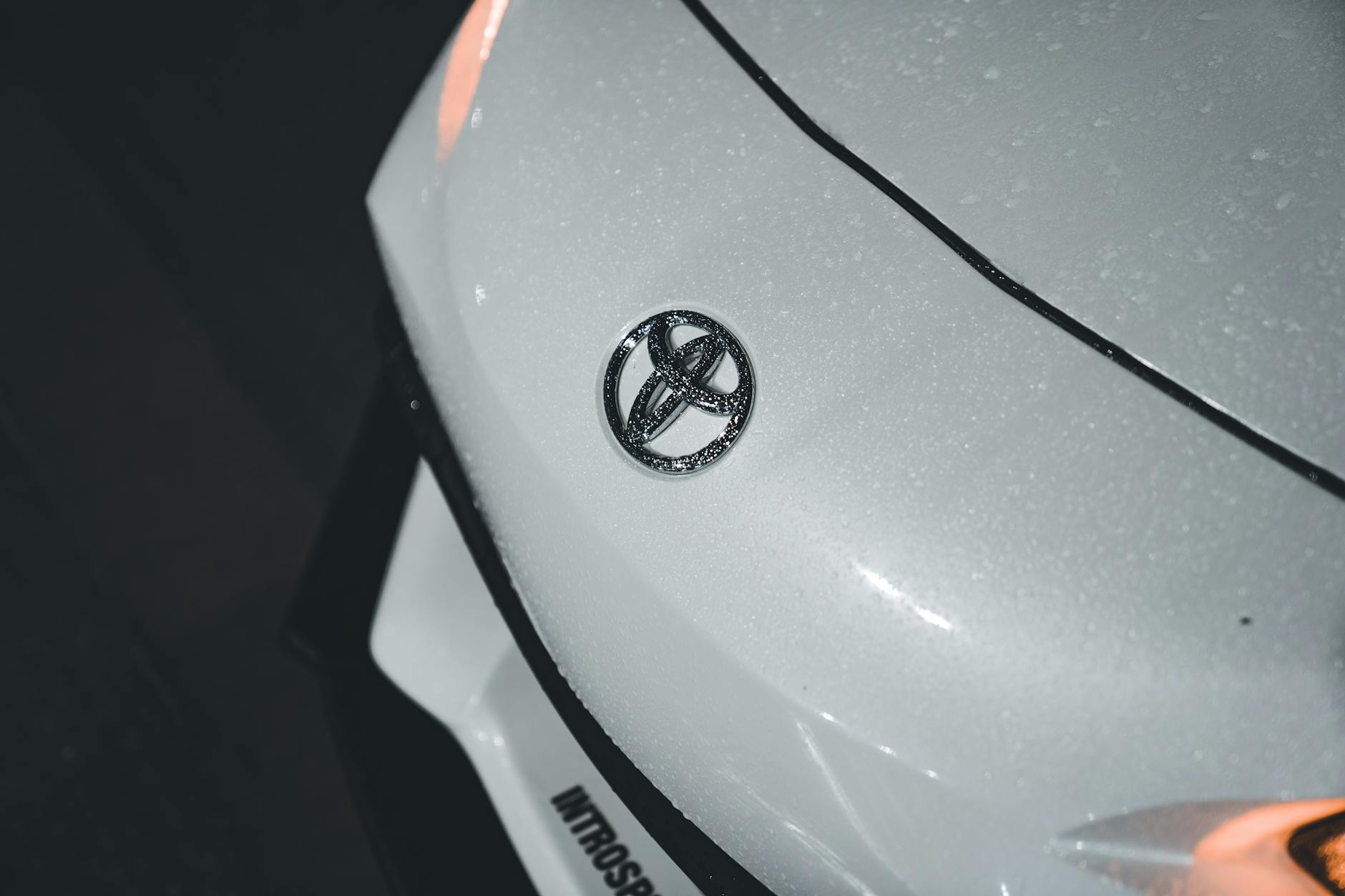
ECU Reflash versus Standalone Management: Tuning Options for the Toyota 86/GR86 FA20 Engine
The Toyota 86 and its Subaru-badged sibling have earned a special place in automotive culture since their 2012 debut. At the heart of these sports coupés lies the FA20DIT—a 2.0-liter turbocharged flat-four engine co-developed by Toyota and Subaru that delivers an impressive 200 horsepower in stock form, or 205 horsepower in the later GR86. But for enthusiasts seeking to unlock the car’s true potential, the question inevitably arises: how do you extract more performance from this already remarkable powertrain?
The answer lies in electronic control unit (ECU) tuning, and modern 86 owners have three primary paths to explore: factory flash tools, open-source platforms, and full standalone management systems. Each approach offers distinct advantages, trade-offs, and implications for your vehicle’s drivability, emissions compliance, and long-term reliability. This article examines each option in depth to help you make an informed decision about which tuning path aligns with your goals—whether you’re building a weekend track weapon, a daily driver with added punch, or simply want to understand the technology behind engine management.
Understanding the FA20 Engine Management System
Before diving into the tuning options, it’s essential to understand what the FA20’s factory ECU controls. The FA20DIT utilizes a Denso-manufactured electronic control unit that manages roughly two dozen critical functions, including fuel injection timing and duration, turbocharger boost pressure via the wastegate actuator, idle air control, variable valve timing (VVT) on both intake and exhaust cams, knock sensing to prevent engine damage from detonation, and emissions control systems including the catalytic converter and evaporative emissions systems.
PRO TIP: The FA20’s direct injection system adds complexity to tuning efforts. Unlike port injection engines, the FA20 injects fuel directly into the combustion chamber, requiring precise timing calibration to avoid detonation and maintain proper fuel atomization across the engine’s operating range.
Modern aftermarket tuning fundamentally involves modifying the ECU’s calibration tables—essentially three-dimensional maps that dictate how the engine responds to various inputs like throttle position, engine speed, and boost pressure. The factory ECU stores dozens of these maps, and modifying them appropriately is where expertise becomes critical.
Factory Flash Tools: The OEM Route
Factory flash tools represent the first tuning option available to 86 owners, provided through Toyota’s official accessories program in certain markets. These tools utilize the vehicle’s factory diagnostic port (OBD-II) to upload revised calibration data directly to the stock ECU, effectively “flashing” new maps while maintaining the original hardware.
Leading options in this category include the Toyota Racing Development (TRD) power programmer, available in select markets, and third-party solutions like the EcuTek ProECU system, which provides authorized dealers and tuners with factory-calibrated flash files specifically developed for the FA20 platform. These flash files typically adjust boost pressure, fuel mapping, and ignition timing within manufacturer-approved parameters.
Advantages of factory flash tools include:
- Preserved warranty coverage in markets where flash tuning is sanctioned by the manufacturer
- Seamless integration with all factory systems, including check engine light functionality and emissions monitoring
- No hardware modifications required—the Stock ECU remains in place
- Reversibility—can return to factory settings anytime through a master reset
Limitations include:
- Restricted tuning parameters—limited to pre-approved modifications typically offering 10-20 horsepower gains
- Regional availability—not all markets officially support factory flash options
- Less flexibility for significant modifications like upgraded turbochargers, larger intercoolers, or E85 conversions
- Single-tune nature—flash files are pre-configured and not optimized for specific modifications
The factory flash approach works best for owners seeking modest performance gains (typically 10-15% increase in horsepower and torque) while maintaining full emissions compliance and warranty coverage. The GR86 specifically benefits from factory-optimized flash files that address the slight power bump over the standard 86 while improving throttle response and mid-range torque delivery.
Open-Source Platforms: Access and Flexibility
Open-source ECU tuning represents a paradigm shift in automotive customization, providing enthusiasts with unprecedented access to engine calibration parameters. Platforms like open-source tuning (OST) for the FA20, developed through collaborative communities, allow owners to interface directly with the stock ECU’s calibration tables, making real-time adjustments to fuel, ignition, and boost maps.
The open-source approach typically requires a hardware interface device—such as a Tacticoncepts OpenFlash tablet or similar OBD-II flashing tool—that connects your laptop or tablet to the vehicle’s ECU. Once connected, you can access hundreds of calibration tables, adjusting everything from wastegate duty cycle to fuel injector flow rates, ignition timing, and VVT overlap.
PRO TIP: When running open-source tunes on a modified FA20 (upgraded turbo, exhaust, intake), always perform a log verification session. This involves running the engine through various load and RPM states while recording sensor data to verify the tune is safe and optimal. Never assume a downloaded tune file is perfect for your specific modifications.
Key Open-Source Platforms for the FA20
The primary open-source platform for the second-generation FA20 (found in the 2022+ GR86) is the Subaru ROM Dump community effort, which has successfully decoded the FA20’s Denso ECU. This platform provides access to:
- Boost control tables for wastegate duty cycle modification
- Fuel injection timing and enrichment tables
- Ignition timing maps across all load/rpm conditions
- VVT (variable valve timing) activation and overlap
- Engine protection limits (knock sensitivity, fuel cutrpm)
For the first-generation FA20 (2012-2020), platforms like EcuTek and Link ECU offer open-source-compatible flash solutions with established base maps. The first-generation platform benefits from nearly a decade of community development, with extensively tested base maps available for various modification levels.
Advantages of open-source platforms include:
- Massive tuning flexibility—access to virtually every calibration table in the ECU
- Community support—thousands of users sharing logs, advice, and base maps
- Cost-effective—one-time hardware purchase with free software updates
- Progressive capability—can tune incrementally as modifications are added
- Data logging real-time monitoring of all engine parameters during operation
Limitations include:
- Learning curve—requires understanding of engine dynamics, stoichiometry, and knock detection
- Time investment���achieving a reliable tune requires iterative testing
- Risk of engine damage—incorrect tuning can cause detonation or mechanical failure
- Emissions compliance—modified tunes often trigger check engine lights and may fail emissions testing
- Warranty implications—virtually all dealers will void coverage for flashed vehicles
Open-source tuning works best for committed enthusiasts with mechanical modifications planned (exhaust, intake, turbo upgrades) and willingness to learn proper tuning methodology. The platform’s flexibility makes it suitable for builds ranging from mild street enhancements to serious track-focused applications.
Full Standalone ECU Management
A full standalone ECU replaces the factory management system entirely, operating independently to control all engine functions. Unlike flash tuning, which modifies the stock ECU’s programming, a standalone ECU acts as the complete brain for your powertrain—no factory electronics required.
Leading standalone options for the FA20 include the MoTeC M84, Link G4+ Fury, Holley HP EFI, and AEM Infinity systems. Each offers comprehensive control over every engine parameter with hardware capable of processing multiple inputs and controlling numerous outputs simultaneously.
Why Choose Standalone Management?
Standalone ECUs become necessary when the factory ECU’s capabilities are exceeded—for instance, when running massive boost pressure (above 30-35 psi with stock turbo), supporting significantly upgraded fuel systems (high-flow fuel pumps, ethanol injection), or integrating engine modifications that the factory ECU cannot recognize (different cam profiles, different compression ratios, secondary fuel systems).
Advantages include:
- Unlimited calibration capability—absolute control over every parameter without factory constraints
- Hardware expansion—support for additional sensors, inputs, and outputs beyond factory capability
- Data acquisition—professional-level logging and telemetry for track analysis
- Flexibility—can tune for entirely different fuels (E85, methanol, race fuel)
- Reliability—purpose-built units often exceed factory durability for extreme applications
Limitations include:
- Significant cost—standalone ECUs range from $1,500 to $4,000+ including harness and installation
- Extensive installation—requires custom harness fabrication or expensive adapter harnesses
- Loss of factory features—traction control, cruise control, and certain gauge functions may not translate
- Complexity—requires professional tuning for optimal operation
- Emissions and registration—most street-legal conversions become problematic
PRO TIP: Before committing to standalone management, honestly assess your goals. For the majority of 86 owners running bolt-on modifications with stock turbo and stock compression, a quality flash tune outperforms standalone systems due to the factory hardware’s inherent capability. Standalone is reserved for extreme builds or purposes beyond the stock engine’s intended operation.
Sensor Compatibility and Integration
Regardless of which tuning path you choose, sensor compatibility represents a critical consideration. The FA20’s factory sensor suite—including the mass airflow (MAF) sensor, intake air temperature (IAT) sensor, coolant temperature sensor, and knock sensors—interfaces with each tuning approach differently.
Factory flash tools operate seamlessly with all factory sensors, requiring no modifications or recalibration.
Open-source platforms work with factory sensors but may require sensor correction factors (such as scaling MAF transfer functions for aftermarket intakes) or additional sensors for advanced tuning (fuel pressure, oil temperature, wideband oxygen sensors).
Standalone ECUs typically require a complete sensor package, though adapter harnesses can preserve some factory sensors. Plan for additional sensors including wideband oxygen sensors (mandatory for proper fuel tuning), fuel pressure sensors, and oil pressure/temperature sensors for monitoring.
Emissions Compliance and Legal Considerations
This area requires careful consideration for street-driven vehicles. Emissions compliance varies significantly by tuning approach and local regulations:
- Factory flash tools maintain CARB (California Air Resources Board) compliance in states requiring exemption, and generally maintain emissions compliance in most regions
- Open-source platforms typically trigger check engine lights and may cause emissions testing failure due to disabled emissions monitors or modified catalyst efficiency thresholds
- Standalone ECUs running without secondary emissions control make street legal operation impossible in many jurisdictions without special permits
Always verify local regulations before proceeding with any tuning modification. Some states (Colorado, Connecticut, Maine, New York, New Jersey, Oregon, Rhode Island, Vermont) maintain strict emissions testing with visual and functional inspections.
Long-Term Reliability and Maintenance
Reliability correlates directly with tuning approach and practitioner expertise:
- Factory flash tools demonstrate excellent long-term reliability when using manufacturer-approved tunes, with virtually no impact on component longevity
- Open-source platforms prove highly reliable when properly tuned with appropriate engine protection limits enabled; reliability issues typically stem from inadequate tuning
- Standalone ECUs offer exceptional reliability in professional installations, but require ongoing maintenance including periodic verification and adjustment
Regardless of approach, increased engine output places additional stress on the FA20’s weakest links: the stock turbocharger, fuel pump, and connecting rod bearings. For builds exceeding 300 horsepower (a substantial bump over stock), upgrading these components becomes essential.
Selecting Your Tuning Path
Choosing between these three options ultimately depends on your goals, budget, and technical appetite. Here’s the bottom line:
For most owners seeking modest performance gains while maintaining warranty coverage and emissions compliance, the factory flash path offers the best value—typically $500-1,200 for a professional flash with supporting hardware, delivering 10-20% power gains without compromises.
For committed enthusiasts building modified street cars or weekend track machines, open-source tuning delivers exceptional flexibility at reasonable cost—expect $800-1,500 for hardware and professional base tune, with endless adjustment capability for progressive modifications.
For serious competitors and builders pursuing extreme performance beyond factory hardware limits, standalone management represents the ultimate solution—budget $2,500-5,000+ for complete installation, but gain absolute control over your FA20’s potential.
The Toyota 86 and GR86 reward thoughtful modification. By understanding your goals and choosing the appropriate tuning path, you can safely unlock the FA20’s considerable potential while maintaining the balance of reliability, drivability, and everyday usability that makes these cars extraordinary.
Frequently Asked Questions
Can I tune my FA20 without voiding my warranty?
Factory-approved flash tools (TRD, EcuTek authorized dealer flashes) maintain new vehicle warranty coverage in most markets. Aftermarket tuning typically voids coverage for engine-related claims.
How much horsepower can the stock FA20 handle safely?
The stock engine components (turbo, fuel system, internals) safely handle approximately 250-280 horsepower with supporting modifications. Boost above 25-28 psi with the stock turbo invites reliability issues.
What’s the difference between the 86 and GR86 FA20?
The GR86 produces 205 horsepower (versus 200 for earlier models) with improved low-end torque and revised intake/exhaust tuning. Otherwise, the engines are essentially identical with same block, same turbo, same fuel system.
Do I need a wideband oxygen sensor for tuning?
Yes. For open-source and standalone tuning, a wideband (0-5v) oxygen sensor (Bosch LSU 4.9 or similar) provides accurate air-fuel ratio measurement across all conditions—essential for proper fuel tuning.
Will tuning affect my car’s fuel economy?
Mild tunes typically show minimal fuel economy impact. Aggressive tuning under heavy throttle reduces economy measurably. E85 conversions typically show 15-20% increased fuel consumption but deliver equivalent power to higher-octane gasoline.