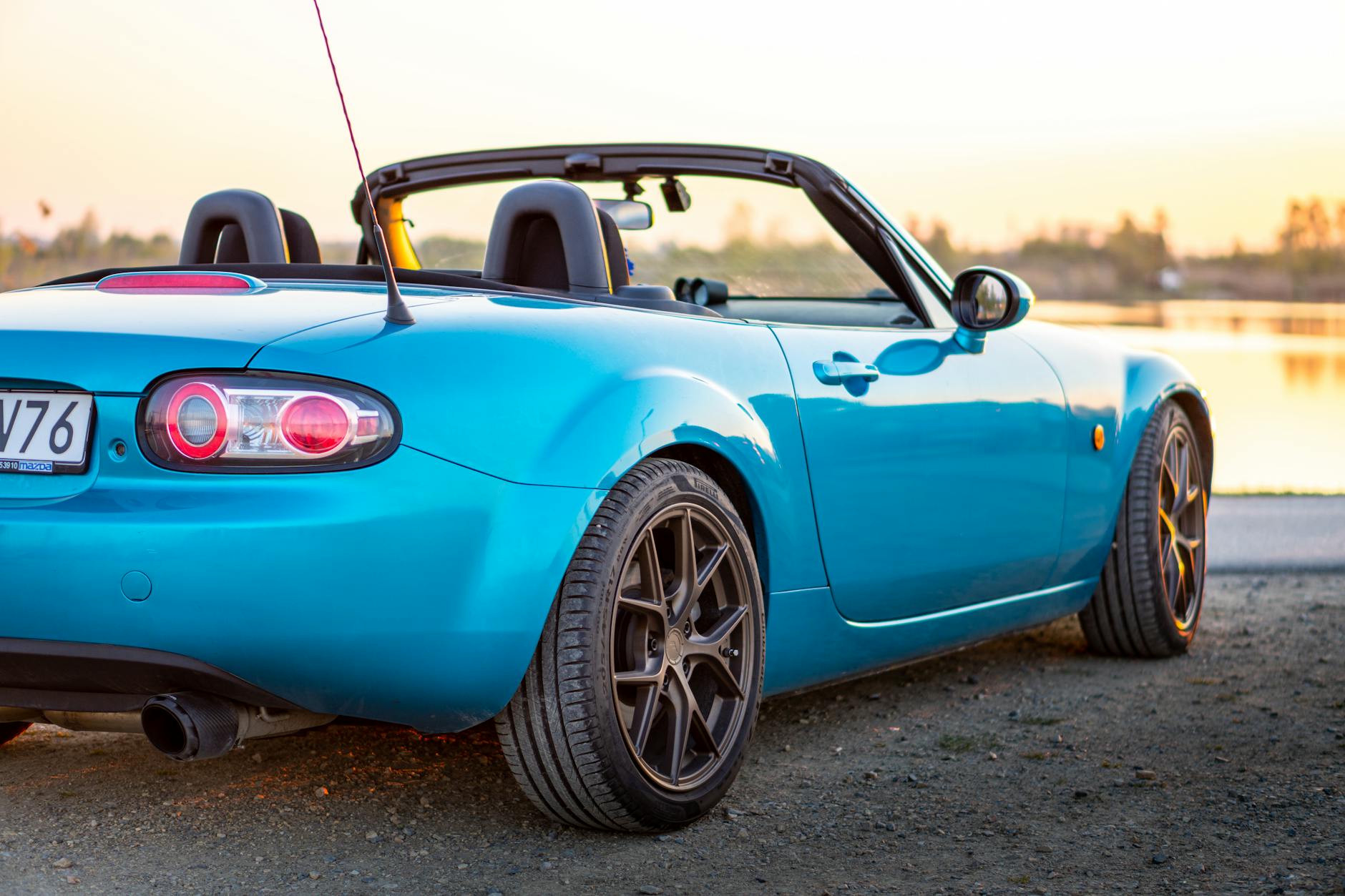
Mazda MX-5 Miata (NC Generation, 2005–2010): Pure Driving Joy in a Compact Roadster
The Mazda MX-5 Miata has been the gold standard for accessible sports cars since 1989, and the third generation—known as the NC—refined the formula in ways that still resonate with enthusiasts today. Produced from 2005 to 2010, the NC brought significant updates including a new 2.0-liter engine, improved suspension geometry, and—for the first time—a power retractable hardtop option that transformed the roadster into a year-round proposition. This article examines everything you need to know about the NC-generation Miata as a potential purchase, from its technical DNA to real-world ownership costs and typical reliability considerations.
Why the NC Generation Stood Out in Its Era
The Mazda MX-5 Miata NC arrived in showrooms for the 2006 model year (with limited 2005 production) representing a complete rethink of the formula that made the original NA and later NB Miatas so beloved. Mazda’s engineers weren’t content to simply evolve the previous generation—they wanted to broaden the car’s appeal without sacrificing the engaging driving experience that defines the Miata identity.
The most significant departure was the introduction of the Power Retractable Hard Top (PRHT), debuting in late 2006. Designed in partnership with Webasto and constructed from lightweight polycarbonate, this folding hardtop allowed owners to enjoy the open-air experience when desired while achieving coupe-like refinement and security when closed. The mechanism required just 12 seconds to fully deploy or retract, adding only 7 pounds (3 kg) to curb weight compared to the soft-top version—remarkably light engineering that didn’t compromise trunk space when the top was folded.
Under the skin, the NC introduced Mazda’s new MZR (L Series) 2.0-liter four-cylinder engine, replacing the venerable (and slightly age-worn) 1.8-liter BP-4W from the NB. This new powerplant produced 170 horsepower and 140 lb-ft of torque in U.S.-spec trim, delivering noticeably stronger mid-range pull while maintaining the high-revving character that Miata enthusiasts cherish. The redline climbed to 6,700 rpm (later 7,200 rpm in NC2 updates), encouraging drivers to explore the upper reaches of the tachometer.
The suspension received a complete redesign. The front double wishbone setup was all-new, while the rear gained a sophisticated multi-link arrangement borrowed from the RX-8—significant engineering that improved ride quality and handling precision simultaneously. The electro-hydraulic power steering system offered excellent feedback, connecting the driver to the road in a way that few modern electric-assist systems can match.
These changes transformed the Miata from a purist’s weekend toy into a more mature, daily-drivable sports car while retaining the core values that matter most: rear-wheel-drive balance, precise manual steering, and a driver-focused cockpit that puts controls exactly where they should be.
Key Competitors and Target Audience
The NC-generation Miata occupied a distinctive niche in the sports car market—affordable, lightweight, and genuinely fun to drive without requiring a career in motorsports. Its primary competitors during this period included:
Toyota MR2 Spyder (2000-2005): Though production ended just before the NC arrived, used examples competed directly for buyer attention. The MR2 offered similar lightweight roadster fun but with a mid-engine layout—the Miata’s front-engine, rear-wheel-drive configuration proved more accessible for average drivers.
Honda S2000 (1999-2009): The S2000 targeted enthusiasts seeking higher performance, with its 237-horsepower 2.2-liter VTEC engine and sharper handling. However, prices ran significantly higher, and the Honda’s aggressive nature suited experienced drivers rather than novices.
BMW Z4 (2003-2008 first generation): BMW’s offering provided more luxury and prestige but at substantially higher price points, with heavier steering and less agile dynamics than the Miata.
Nissan 350Z (2003-2008): While technically a different body style, the 350Z Grand Touring overlapped on price and attracted performance-oriented buyers who needed more power.
The target audience for the NC Miata remained consistent across generations: enthusiasts seeking genuine driving engagement without breaking the bank, new drivers learning the art of precision car control, weekend warriors wanting top-down fun on scenic back roads, and experienced drivers prioritizing driver involvement over raw specification sheets.
Technical Specifications
| Variant/Trim | Engine | Transmission | Drivetrain | Dimensions (in) | Curb Weight (lbs) | Fuel Tank (L) | 0-100 km/h (s) | Top Speed (km/h) |
|---|---|---|---|---|---|---|---|---|
| MX-5 Sport (2006-2008) | 2.0L I4, 170 hp, 140 lb-ft | 5MT | RWD | 157.3 × 67.7 × 49.0 | 2,498 | 50 | 7.9 | 210 |
| MX-5 Touring (2006-2008) | 2.0L I4, 170 hp, 140 lb-ft | 6MT | RWD | 157.3 × 67.7 × 49.0 | 2,510 | 50 | 7.4 | 210 |
| MX-5 Grand Touring (2006-2008) | 2.0L I4, 170 hp, 140 lb-ft | 6MT/6AT | RWD | 157.3 × 67.7 × 49.0 | 2,527 | 50 | 7.4 | 210 |
| MX-5 PRHT (2007-2008) | 2.0L I4, 170 hp, 140 lb-ft | 6MT/6AT | RWD | 157.3 × 67.7 × 49.0 | 2,530 | 50 | 7.6 | 210 |
| MX-5 NC2 6MT (2009-2010) | 2.0L I4, 167 hp, 140 lb-ft | 6MT | RWD | 157.3 × 67.7 × 49.0 | 2,510 | 50 | 7.2 | 210 |
| MX-5 NC2 6AT (2009-2010) | 2.0L I4, 158 hp, 140 lb-ft | 6AT | RWD | 157.3 × 67.7 × 49.0 | 2,530 | 50 | 7.8 | 205 |
Notes: Wheelbase measures 50.6 inches (1,285 mm). The horsepower reduction in NC2 (167 hp vs. 170 hp) reflects measurement standard changes, not actual power loss. NC2 models received internal engine upgrades including forged crankshafts, forged connecting rods with floating wrist pins, and strengthened valve springs.
Styling Cues and Design Evolution
The NC represented a dramatic departure from the curvy, organic lines of the NA and NB. Under the direction of Mazda design chief Nobuo Nishi, the NC adopted what the company called “Nagare” (flow) styling language—characterized by fluid, wind-swept surfaces and a more aggressive stance. The prominent front fenders, muscular rear haunches, and aggressive headlight treatment marked a bolder direction than the previous generations’ softer aesthetics.
Inside, the dashboard received high marks for driver orientation. The triple-binnacle instrument cluster (two large gauges framing a smaller center tachometer) became a signature Miata element, while the center stack angled toward the driver kept secondary controls within easy reach. Materials quality improved substantially over the NB, though still reflected the car’s budget-friendly positioning—hard plastics dominated, but surfaces were well-textured and assembled without noticeable gaps or squeaks.
The exterior design has aged gracefully by sports car standards. The NC avoids the overly angular tendencies that plagued some 2000s designs, instead offering a timeless simplicity that remains attractive today. The pop-up headlight design (abandoned after the NB) was missed by purists, but the replacement fixed units integrated cleanly with the frontal styling. Wheel designs from the period—particularly the 17-inch multi-spoke options on Grand Touring models—remain desirable for enthusiasts seeking period-correct aesthetics.
For the PRHT models specifically, the hardtop integrates remarkably well with the overall design when raised. The roof’s sleek profile avoids the awkward high-back appearance that sometimes afflicts convertible hardtops, and the mechanism’s compact folding design preserves trunk usability—a genuine engineering achievement that sets the NC apart from competitors.
Rust, Paint Quality, and Common Cosmetic Issues
As a Japanese sports car with decent corrosion protection, the NC Miata generally resists rust better than many contemporaries. However, certain areas warrant attention during pre-purchase inspection:
Common Rust-Prone Areas:
- Floor pans, particularly the front sections beneath carpeting
- Rear wheel arch lips where mud and debris collect
- Battery tray and surrounding areas where acid exposure occurs
- Trunk floor behind the spare tire well
- Hardtop mounting points (PRHT models)
Paint Quality Observations:
The NC’s paint measures approximately 2.5-3.0 mils thick, relatively thin by modern standards. Clearcoat oxidation affects a significant percentage of examples, particularly those stored outdoors or in regions with harsh winters. The metallic silver (2006-2007), Competition Orange (2008), and Velocity Red (all years) finishes show defects most readily.
Typical Cosmetic Issues at This Age:
- Minor door dings and parking lot damage
- Convertible top decomposition (soft-top models) showing as fabric thinning or discoloration
- Weather stripping shrinkage causing wind noise at highway speeds
- Wheel curb rash, particularly on larger 17-inch wheels
- Interior leather cracking on heavily used driver seats (particularly Club Sport trim with leather)
The PRHT mechanism on hardtop models generally functions reliably, but the hydraulic system can develop leaks over time. Listen for the motor straining during operation and check fluid reservoirs if accessible.
Fuel Consumption, Insurance, and Ownership Costs
Official and Real-World Fuel Economy
| Model Year | Transmission | City (MPG) | Highway (MPG) | Combined (MPG) |
|---|---|---|---|---|
| 2006-2008 | 5MT | 22 | 28 | 24 |
| 2006-2008 | 6MT | 21 | 28 | 24 |
| 2006-2008 | 6AT | 20 | 27 | 23 |
| 2009-2010 | 6MT | 22 | 28 | 25 |
| 2009-2010 | 6AT | 21 | 27 | 23 |
Real-world owners report figures matching official estimates closely, with combined driving typically returning 23-26 mpg depending on driving style and transmission choice. The 50-liter (13.2-gallon) fuel tank provides approximately 300 miles of range on highway drives.
Insurance Considerations
Insuring an NC Miata typically costs less than comparable sports cars due to the vehicle’s strong safety record and relatively moderate performance. Nationwide average annual premiums for a 35-year-old with good credit fall approximately:
- Minimum coverage: $400-500/year
- Full coverage (recommended): $700-1,000/year
- Young driver (under 25): $1,200-1,800/year
Actual premiums vary substantially by location, driving record, and coverage limits. Miata insurance groups in European markets ranked at Group 12-14 (out of 20), indicating moderate cost classifications.
Parts Affordability and Maintenance
Mazda Genuine parts remain reasonably priced compared to European competitors, with the Miata’s simplified mechanical design keeping routine maintenance accessible:
- Oil and filter: $40-60 (synthetic recommended)
- Brake pads (front): $120-180 per axle
- Brake rotors: $180-280 per axle
- Spark plugs: $60-100 (all four)
- Battery: $150-250 (factory-specified Group 35)
- Clutch kit: $350-550 (OEM replacement)
- Timing belt (if equipped): N/A—chain-driven engine
Typical Service Intervals
| Service | Interval |
|---|---|
| Oil and filter change | 7,500 miles / 12 months |
| Tire rotation | 7,500 miles |
| Brake inspection | Every 15,000 miles |
| Air filter | Every 30,000 miles |
| Spark plugs | Every 60,000 miles |
| Coolant flush | Every 60,000 miles |
| Transmission fluid | Every 60,000 miles |
| clutch fluid | Every 30,000 miles |
Annual maintenance for a driven NC Miata typically runs $300-600 depending on location and service provider. Budget-conscious owners successfully perform basic maintenance using enthusiast-friendly guides and appropriate tools.
Safety Ratings and Test Results
Crash test ratings for the NC-generation Miata present a mixed picture that reflects the era’s safety standards and the fundamental challenges of protecting occupants in an open-bodied sports car:
Euro NCAP: The MX-5 achieved a 4-star adult occupant protection rating in 2002 testing (NB generation, substantially similar structure). Specific NC-generation testing was not published. The frontal offset test revealed relatively high chest载荷 on the dummy, while side impact protection was adequate for the vehicle’s light weight.
ANCAP (Australia): The MX-5 scored 25.09 out of 37 maximum points in 2006 testing, receiving 2 stars for pedestrian protection—a reflection of the fundamental challenges lightweight sports cars face in real-world collisions with larger vehicles.
NHTSA: No federal NCAP testing was conducted specifically on the NC-generation Miata during this period.
Important Safety Context:
The lightweight construction that makes the Miata such an engaging driver also presents inherent disadvantages in collisions with larger vehicles. However, the NC introduced significant safety improvements over previous generations:
- Anti-lock brakes (ABS) became standard from 2006
- Stability control (dynamic stability control) was added across the model range beginning in 2013 (late in the NC3 period)
- Side airbags became available on higher trims
- Engine crumple zones and reinforced passenger cell provided improved occupant protection
The most effective safety feature, enthusiasts argue, remains the Miata’s agility and responsive handling that allow drivers to avoid collisions entirely—a philosophy Mazda embraced throughout the roadster’s development.
PRO TIP: “Supplement your NC Miata’s safety profile by installing a roll bar (Club Spec models included factory-installed units), maintaining proper tire tread depth, and replacing worn suspension components promptly. The car’s handling capabilities genuinely reduce accident exposure when maintained properly.”
Reliability and Long-Term Durability
The NC-generation Miata earned a reputation for reliable operation when properly maintained, though several areas require attention as examples age toward 15-20 years:
Engine Reliability: The MZR 2.0-liter four-cylinder demonstrates strong durability with regular oil changes using quality synthetic lubricants. Common concerns include:
- PCV valve oil consumption increases over 100,000 miles
- Coil pack failures typically manifest as misfiring under load
- O-ring deterioration causes minor oil leaks but rarely catastrophic failures
Transmission Robustness: The 6-speed manual transmissions (both 5MT and 6MT variants) generally survive well beyond 150,000 miles with appropriate maintenance. Watch for:
- clutch master cylinder hydraulic system seals (common replacement around 80,000 miles)
- Slave cylinder failure presenting as clutch slip or difficulty shifting
- Synchrones wear on heavily used examples, particularly second gear
Cooling System: The NC’s cooling system operates under moderate stress. Common attention areas:
- Water pump fatigue becomes apparent around 80,000-100,000 miles
- Thermostat housing cracks particularly affect early NC1 examples
- Radiator hose deterioration requires periodic inspection
Electrical Systems: Overall electrical reliability improved over previous generations:
- Window regulator failures affect approximately 10% of examples by 100,000 miles
- Convertible top motor wear (PRHT models)
- BSI (Body Control Module) quirks occasionally cause intermittent electrical annoyances
Conclusion: Is the NC Miata Right for You?
The third-generation Mazda MX-5 Miata represents an exceptional value proposition for enthusiasts seeking accessible sports car thrills without compromise. Its refined dynamics, practical everyday usability, and—when equipped with the PRHT—year-round versatility make it uniquely positioned in the used market.
At current prices (typically $8,000-$18,000 for well-maintained examples depending on specification and location), the NC delivers:
- Genuine rear-wheel-drive handling engagement
- Reliable mechanicals with common parts and reasonable maintenance costs
- Growing collector interest preserving values
- Active enthusiast community providing resources and support
The NC Miata suits drivers who prioritize the experience of driving over specification sheets—who understand that a 170-horsepower roadster with excellent dynamics provides more satisfaction than a couch-ridden 300-horsepower cruiser. For enthusiasts seeking mechanical connection, affordable entry, and top-down freedom, the third-generation Miata remains one of automotive history’s great bargains.
Whether you’re a first-time sports car buyer, a weekend warrior seeking back road satisfaction, or a seasoned enthusiast returning to the Miata fold after years away, the NC generation offers a compelling combination of refinement and rawness that continues rewarding drivers nearly two decades after its introduction.
Article Date: September 15, 2023
File Location: /Volumes/nvme/dev/hiver.digital/src/content/en/mazda-mx-5-miata-nc-generation-2005-2010-driving-joy.md
:max_bytes(500000):quality(100):fill(blur):sharpen(0.7,0.5,true):format(jpg)/106750/6627032/6627032_1.jpg)