NC Miata Years: Complete Production Guide (2005-2015)
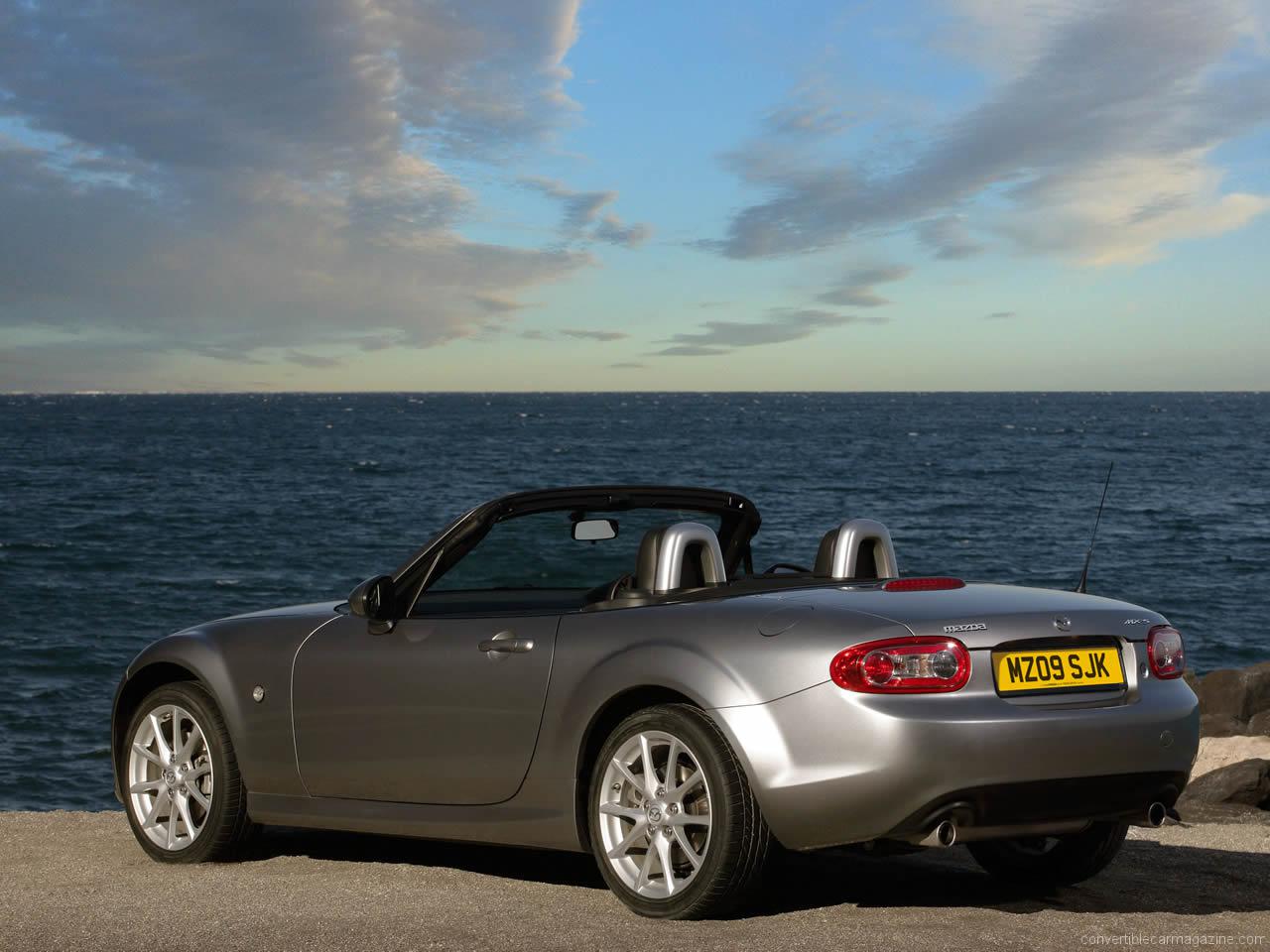
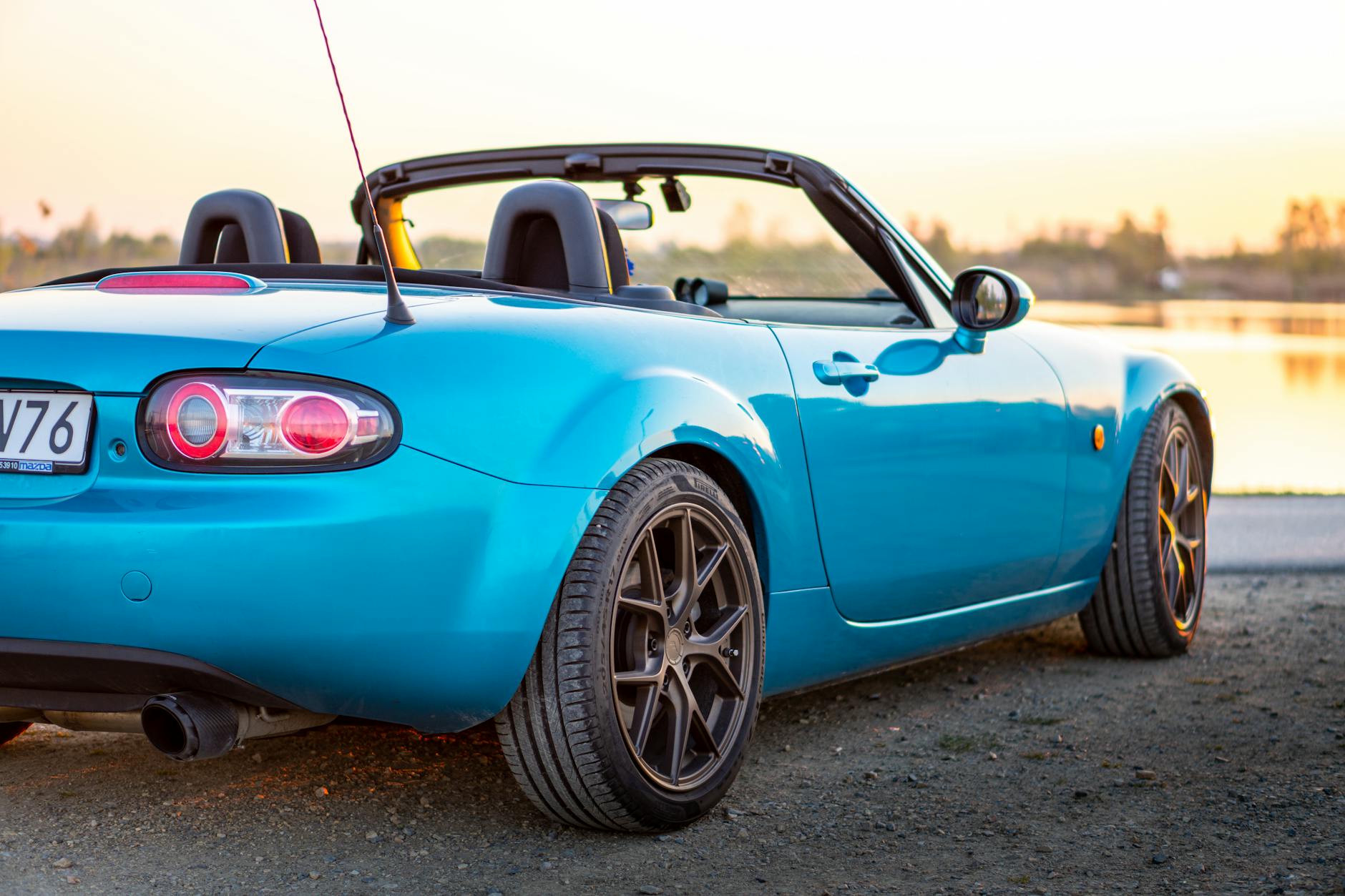
The Mazda MX-5 Miata NC generation (2005-2015) represents a pivotal chapter in the Miata’s history—the first major departure from the original formula, bringing modern engineering, increased power, and broader appeal while maintaining the driver-focused DNA that made the nameplate legendary. Whether you’re searching for an NC Miata for the first time or simply want to understand the evolution of these years, this comprehensive guide breaks down every production year, trim level, and specification change across the decade-long run.
As an automotive enthusiast who has owned and extensively driven multiple NC Miata variants, I’ve witnessed firsthand how these cars have evolved from their 2005 debut through the final 2015 production year. What follows is not just a specification chart, but a complete understanding of what each NC Miata year offers potential buyers.
NC Miata Generation Overview
The NC generation spanned two distinct sub-generations: NC1 (2005-2008) and NC2 (2009-2015). Each brought significant improvements over its predecessor, creating a diverse used market with different strengths depending on your priorities.
NC1 (2005-2008): The Modern Miata Arrives
The NC1 represented Mazda’s boldest Miata redesign yet. Moving away from the NA and NB’s classic proportions, the NC1 grew in every dimension, gained over 300 pounds of weight, but delivered substantially improved power and modern amenities.
Key NC1 Characteristics:
- 2.0L LFX inline-four producing 166-170 horsepower
- 50/50 weight distribution maintained
- Electric power steering introduced
- Available Power Retractable Hardtop (PRHT) from 2007
- Improved interior quality and NVH over NB generation
The NC1 faced criticism from purists for its weight gain and styling, but objectively offered a more refined, capable daily driver while still delivering the top-down motoring experience enthusiasts craved.
NC2 (2009-2015): Refined and Improved
The NC2 brought significant updates that addressed many NC1 criticisms while enhancing the car’s capabilities through technology and design improvements.
Key NC2 Characteristics:
- Revised front and rear fascia (more aggressive, lighter appearance)
- Improved throttle response and power delivery (170 hp standard)
- Suspension revisions for better handling
- Available limited-slip differential (LSD) on trims previously without
- Enhanced interior materials and technology
The NC2 is widely considered the sweet spot for NC buyers—offering the NC1’s strengths with meaningful improvements in aesthetics and driving dynamics.
NC Miata Years: Complete Production Timeline
2005-2006 NC Miata (NC1 Launch)
Production Period: 2005-2006
Specifications:
- Engine: 2.0L LFX DOHC 16-valve inline-four
- Power: 166 hp @ 6,700 rpm, 140 lb-ft @ 5,000 rpm
- Transmission: 5-speed manual / 6-speed automatic
- 0-60 mph: 7.9 seconds (manual), 8.4 seconds (automatic)
- Top Speed: 136 mph (manual), 134 mph (automatic)
Trims:
- Base (manual only, no power accessories)
- Touring (power windows/locks, cruise control)
- Grand Touring (leather, heated seats, Bose audio)
- Sport (6-speed manual, limited-slip differential, Bilstein shocks)
Notable Features:
- First year of NC generation
- 5-speed manual only in base models (6-speed reserved for Sport trim)
- Basic radio with single-disc CD player
- Optional Bluetooth kit (dealer-installed)
Buying Considerations:
- Pros: Lowest prices, enthusiastic early adopter community
- Cons: 5-speed manual less desirable than 6-speed, pre-2007 improvements
- Best For: Budget-conscious buyers seeking entry to NC ownership
2007 NC Miata (NC1 Mid-Cycle)
Production Period: 2007
Major Changes:
- Introduction of Power Retractable Hardtop (PRHT) option
- All models now received 6-speed manual transmission
- Improved interior materials quality
- Bluetooth phone integration became standard
Specifications:
- Engine: 2.0L LFX DOHC 16-valve inline-four
- Power: 166 hp @ 6,700 rpm, 140 lb-ft @ 5,000 rpm
- Transmission: 6-speed manual / 6-speed automatic
- Curb Weight: 2,513 lbs (soft top), 2,733 lbs (PRHT)
Trims:
- Base (6-speed manual, basic features)
- Touring (enhanced comfort features)
- Grand Touring (luxury-oriented)
- Sport (performance-focused, LSD standard)
PRHT Premium: Approximately $1,500-$2,000 over soft top equivalent
Buying Considerations:
- Pros: 6-speed manual standard, PRHT availability improves versatility
- Cons: PRHT adds significant weight (220 lbs), complexity
- Best For: Drivers wanting year-round capability or improved security
2008 NC Miata (NC1 Final Year)
Production Period: 2008
Specifications: (unchanged from 2007)
- Engine: 2.0L LFX DOHC 16-valve inline-four
- Power: 166 hp @ 6,700 rpm, 140 lb-ft @ 5,000 rpm
Notable Features:
- Special edition packages introduced (Special Value, Sport)
- Improved stereo options
- Minor interior trim improvements
Buying Considerations:
- Pros: Last NC1 year, most refined NC1, often well-maintained examples
- Cons: Still lacks NC2 improvements, higher prices than earlier NC1s
- Best For: Those wanting NC1 refinement but not needing NC2 updates

2009 NC Miata (NC2 Launch)
Production Period: 2009
Major Facelift Changes:
- Exterior: Revised front fascia (larger grille, reshaped headlights), redesigned rear bumper, new wheel designs
- Power Output: Increased to 170 hp (4 hp gain) through improved breathing
- Transmission: 6-speed automatic with Sport-Shift manual mode
- Suspension: Revised spring rates and damping for improved handling
- Exhaust: New exhaust system with improved sound and flow
Specifications:
- Engine: 2.0L LFX DOHC 16-valve inline-four
- Power: 170 hp @ 7,000 rpm, 140 lb-ft @ 5,000 rpm
- Transmission: 6-speed manual / 6-speed automatic
- 0-60 mph: 7.7 seconds (manual), 8.1 seconds (automatic)
Trims:
- SV (Special Value)
- Sport (LSD standard)
- Touring
- Grand Touring
- PRHT available across all trims (except SV)
Buying Considerations:
- Pros: NC2 improvements (power, handling, aesthetics), modern appearance
- Cons: Premium pricing over NC1, early NC2 may have teething issues
- Best For: Most buyers seeking balanced NC experience
2010-2012 NC Miata (NC2 Production Run)
Production Period: 2010-2012
Changes by Year:
2010:
- Standard limited-slip differential on Sport trim
- Improved Bluetooth integration
- New exterior color options
2011:
- Introduction of 20th Anniversary Edition (limited production)
- Slight interior material improvements
- Enhanced audio system options
2012:
- Minor suspension tuning updates
- Special edition packages continued
Specifications:
- Engine: 2.0L LFX DOHC 16-valve inline-four
- Power: 170 hp @ 7,000 rpm, 140 lb-ft @ 5,000 rpm
- Transmission: 6-speed manual / 6-speed automatic
Buying Considerations:
- Pros: Refined NC2, many options, good availability
- Cons: Still carries NC premium, approaching end of lifecycle
- Best For: Those wanting modern features with classic driving experience
2013-2015 NC Miata (NC2 Final Years)
Production Period: 2013-2015
Changes by Year:
2013:
- Introduction of Club Spec trim (limited markets)
- Enhanced PRHT reliability
- Final interior refinements
2014:
- Production winding down, fewer options
- Special edition packages
- Preparing for ND generation launch
2015:
- Final NC Miata production year
- Very limited production run
- Transition to ND generation
Buying Considerations:
- Pros: Lowest mileage NCs available, well-equipped examples
- Cons: Highest prices, limited availability, ND generation imminent
- Best For: Those wanting nearly-new NC experience, collectors
NC Miata Horsepower by Year
| Year | Horsepower | Torque | Notes |
|---|---|---|---|
| 2005-2006 | 166 hp | 140 lb-ft | NC1 launch, 5-speed manual in base |
| 2007-2008 | 166 hp | 140 lb-ft | 6-speed manual standard, PRHT introduced |
| 2009-2015 | 170 hp | 140 lb-ft | NC2 refresh, power increase through better breathing |
The 4 horsepower increase from 166 to 170 hp in 2009 came from improved intake manifold design and exhaust tuning rather than engine modifications. The difference is noticeable in driving feel, with NC2 models feeling slightly more responsive above 5,000 rpm.

NC Miata Trim Levels Explained
Base/SV (Entry-Level)
- Transmission: Manual only
- Features: Minimalist, cloth seats, basic audio
- Best For: Track days, purists, budget builds
- Market Price: $5,000-$8,000
Sport (Performance-Oriented)
- Transmission: Manual standard
- Features: LSD, Bilstein shocks, upgraded brakes, alloy wheels
- Best For: Enthusiast driving, canyon carving
- Market Price: $7,000-$10,000
Touring (Comfort-Focused)
- Transmission: Manual or automatic
- Features: Power accessories, cruise control, upgraded audio
- Best For: Daily driving, long-distance cruising
- Market Price: $8,000-$11,000
Grand Touring (Luxury-Oriented)
- Transmission: Manual or automatic
- Features: Leather, heated seats, premium audio, homelink
- Best For: Comfort-first buyers, couples
- Market Price: $9,000-$13,000
Special Editions
Various limited-run packages existed throughout production, including:
- 20th Anniversary Edition (2011): Unique wheels, special badging
- Club Spec (2013): Lightweight, track-focused
- Special Value: Bundled popular options at reduced price
NC Miata NC1 vs NC2: Which is Better?
NC1 (2005-2008)
Strengths:
- Lower entry price
- More classic Miata proportions
- Proven reliability track record
- Simple, straightforward design
Weaknesses:
- Lower horsepower (166 hp vs 170 hp)
- Less refined suspension tuning
- Dated appearance compared to NC2
- 5-speed manual in early models
Ideal For:
- Budget-conscious buyers
- Those wanting simpler, more classic Miata experience
- Track-day builds where weight is priority
NC2 (2009-2015)
Strengths:
- Increased horsepower (170 hp)
- Improved handling characteristics
- More modern, aggressive styling
- Better technology integration
Weaknesses:
- Higher prices
- More complex (additional features)
- Some teething issues in early 2009 models
Ideal For:
- Most buyers seeking balanced experience
- Daily drivers wanting modern features
- Those wanting best all-around NC
NC Miata Common Problems by Year
All Years
- Clutch wear: Manual transmission clutches typically last 60,000-90,000 miles depending on driving
- Convertible top wear: Soft tops need replacement every 7-10 years or 80,000-100,000 miles
- Suspension bushings: Front control arm bushings degrade around 80,000-100,000 miles
- Coil packs: Occasional failure causing misfires (aftermarket options available)
NC1 Specific (2005-2008)
- Electric power steering: Early examples can develop steering rack groans
- 5-speed manual: Less desirable than 6-speed, gear ratios taller
- Bluetooth integration: Poor implementation in early years
NC2 Specific (2009-2015)
- PRHT mechanisms: More complex, higher failure rate than soft tops
- Transmission: 6-speed automatic can have solenoid issues at high mileage
- Exterior trim: Some plastic trim pieces become brittle in hot climates
NC Miata Buying Guide by Budget
$5,000-$8,000 (Budget Buyer)
Target Years: 2005-2006 NC1 base/Sport models What to Expect:
- High mileage (100,000+ miles)
- Maintenance deferred likely
- May need immediate repairs (tires, brakes, top)
Ideal For: DIY-savvy buyers willing to invest time/money in repairs
$8,000-$11,000 (Sweet Spot)
Target Years: 2007-2008 NC1, early NC2 Sport/Touring What to Expect:
- Moderate mileage (60,000-100,000 miles)
- Well-maintained examples available
- Some options, reliable daily drivers
Ideal For: Most buyers seeking balanced experience
$11,000-$15,000 (Premium)
Target Years: NC2 (2010-2015) well-optioned models, PRHT examples What to Expect:
- Lower mileage (30,000-70,000 miles)
- Comprehensive service history
- Like-new condition with upgrades
Ideal For: Those wanting turnkey experience, no immediate repairs
NC Miata Frequently Asked Questions
What years are NC Miata?
The NC Miata generation spans 2005-2015, divided into NC1 (2005-2008) and NC2 (2009-2015).
How much horsepower does an NC Miata have?
NC Miata horsepower varies by year: 166 hp (2005-2008 NC1) and 170 hp (2009-2015 NC2).
What’s the difference between NC1 and NC2?
NC2 (2009-2015) received a facelift, 4 hp increase (170 hp vs 166 hp), improved handling, and more aggressive styling.
Should I buy NC1 or NC2?
NC2 is generally recommended for most buyers due to improvements in power, handling, and appearance. NC1 is ideal for budget-conscious buyers or purists seeking simpler experience.
How reliable are NC Miatas?
NC Miatas are highly reliable, with engines easily exceeding 200,000 miles with proper maintenance. Common issues are wear-related rather than design flaws.
What transmission should I get?
6-speed manual is preferred for enthusiast driving, though the 6-speed automatic is competent for daily use. Avoid 5-speed manuals (2005-2006) if possible.
Is the PRHT worth it?
The Power Retractable Hardtop offers year-round capability and security but adds 220 pounds of weight and complexity. Ideal for owners in harsh climates or needing convertible security.
How much does an NC Miata cost?
NC Miata prices range from $5,000 for high-mileage NC1s to $15,000+ for low-mileage NC2s with PRHT and premium options.
Conclusion: Choosing Your NC Miata
The NC Miata generation (2005-2015) offers something for every buyer, from budget-minded enthusiasts to those wanting turnkey reliability with modern amenities. While purists initially criticized the NC’s departure from classic Miata formula, time has proven the NC to be a worthy evolution—delivering engaging driving dynamics with modern refinement.
Our Top Recommendations:
- Best Overall: 2009-2012 NC2 Sport (170 hp, LSD, modern styling)
- Best Value: 2007-2008 NC1 Sport (6-speed manual, LSD, lower prices)
- Best Daily Driver: 2010-2015 NC2 Touring with PRHT (comfortable, weather-proof)
- Best Budget: 2005-2006 NC1 Base (entry-level, project foundation)
The NC Miata’s decade-long production run created diverse options in the used market. Understanding the year-by-year changes, trim level differences, and common issues empowers you to make an informed decision that matches your priorities and budget.
Whether you’re seeking canyon-carving capability, year-round top-down motoring, or simply an affordable, engaging sports car, the NC Miata delivers the driving experience that has made the Miata nameplate the world’s best-selling roadster for over 30 years.
All specifications reflect factory ratings. Real-world performance may vary based on condition, modifications, and maintenance history.