Nissan 350Z (2003–2009): Reviving the Z-Car Legacy with Modern Muscle
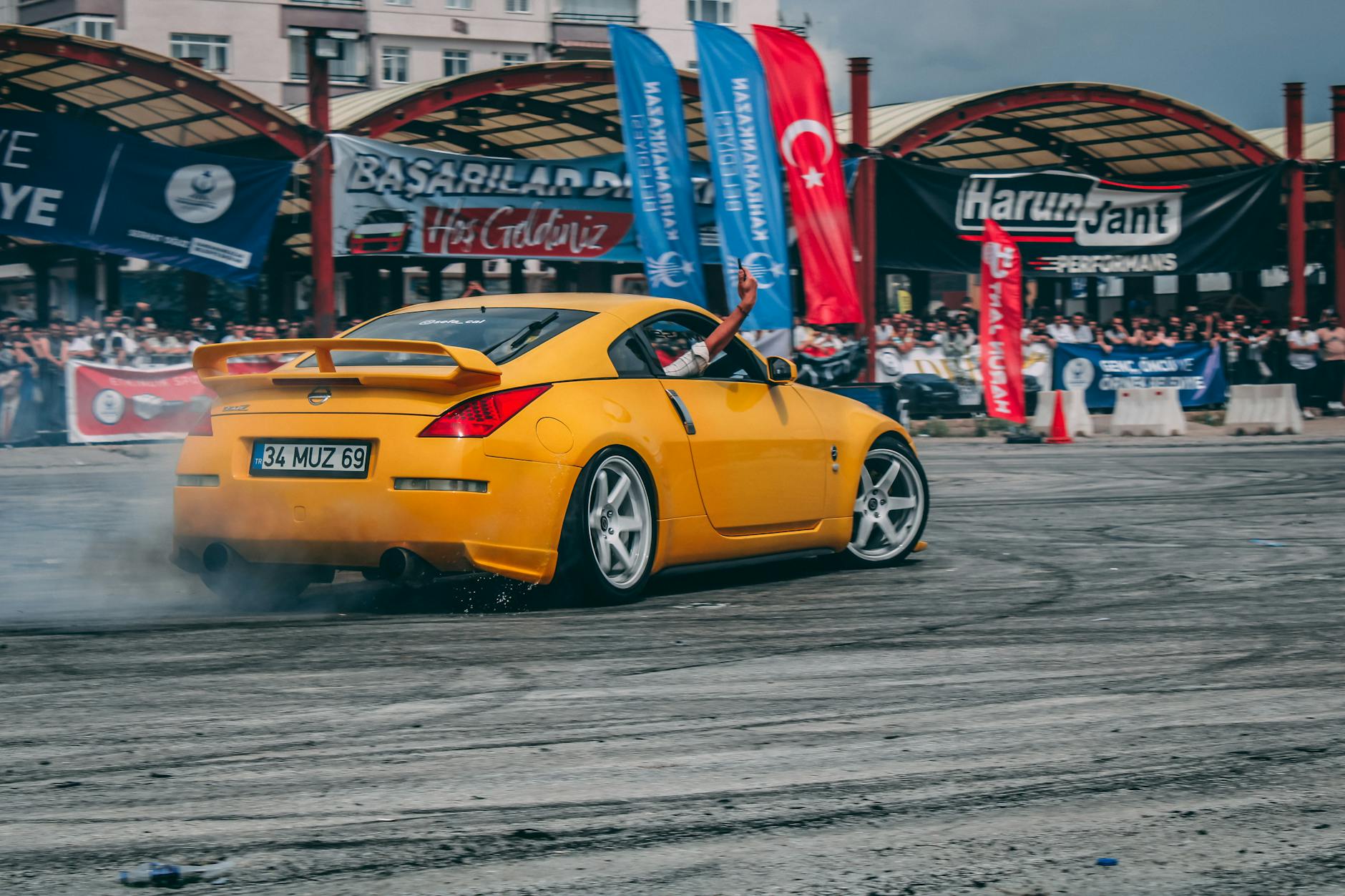
The Nissan 350Z represents one of the most significant comebacks in automotive history. Arriving in showrooms for the 2003 model year, this sports car marked Nissan’s bold attempt to revive the legendary Z-Car legacy that had captivated driving enthusiasts since the 240Z debuted in 1970. With its aggressive styling, potent V6 powerplant, and rear-wheel-drive performance credentials, the 350Z quickly established itself as a modern classic—a car that delivered genuine sports car excitement at a relatively accessible price point.
Why the 350Z Captured Automotive Enthusiasm
The arrival of the 350Z in 2003 was more than just another new car launch; it represented a statement of intent from Nissan. After the disappointing 300ZX of the 1990s, which had grown heavier and more expensive while losing some of its pure sports car essence, the 350Z represented a return to the formula that had made the Z-Cars famous: accessible performance, striking good looks, and an engaging driving experience.
The Revival of the Z-Car Legacy
Nissan deliberately drew inspiration from the original 240Z when designing the 350Z, creating a car that paid homage to its heritage while incorporating modern engineering. The long hood, short deck proportions, and aggressive rear haunches echoed the classic Z-Car silhouette, yet everything about the new car was bigger, more powerful, and more sophisticated. The 350Z arrived at a time when the automotive world was hungry for affordable sports cars—many competitors had abandoned the segment in favor of SUVs and crossovers, creating a void that Nissan expertly filled.
The timing proved ideal. Enthusiasts who had grown up with the 240Z and 280Z were now in their forties and fifties, with disposable income to spend on the sports cars they had always wanted. Meanwhile, a new generation of younger drivers discovered the joy of rear-wheel-drive sports cars through the 350Z. The car appeared in numerous films, video games, and television shows, cementing its status as an automotive icon for the new millennium.
Powerful V6 Performance
At the heart of the 350Z lay Nissan’s acclaimed VQ35DE V6 engine—a powerplant that had already proven itself in the Infiniti G35 and Nissan Maxima. Displacing 3.5 liters, this double-overhead-cam V6 produced 287 horsepower and 274 lb-ft of torque in its initial form, delivering performance that could challenge far more expensive European sports cars.
The V6 note, with its distinctive upper rev range howl, became instantly recognizable. Acceleration from zero to 60 mph took just 5.3 to 5.6 seconds depending on the exact configuration, and top speed reached an electronically limited 155 mph. The engine featured Nissan’s Continuous Variable Valve Timing Control System (CVTCS), optimizing power delivery across the rev range while maintaining reasonable fuel efficiency.
In 2005, Nissan introduced the “Rev-Up” engine variant for the 35th Anniversary Edition, bumping power to 300 horsepower though slightly reducing torque to 260 lb-ft. Then for 2007, the VQ35HR engine replaced the VQ35DE, increasing output to 306 horsepower while delivering smoother power delivery and a higher 7,500 rpm redline. This engine evolution ensured the 350Z remained competitive throughout its production run.
Stylish Design That Still Turns Heads
The 350Z’s styling proved divisive yet undeniably impactful. The aggressive front fascia featured a large trapezoidal grille flanked by angular halogen headlamps, while the hood incorporateed a functional power bulge to clear the intake manifold. From the side, the long hood and set-back cabin created classic sports car proportions, emphasizing the rear-wheel-drive architecture.
The fastback-style rear hatch sloped gracefully toward integrated bumper-mounted tail lamps, creating a cohesive appearance that aged remarkably well. Inside, the cockpit-focused design placed the driver at the center of the experience, with a center console that swept toward the driver and supportive sport seats that held occupants firmly during aggressive cornering. The two-seat configuration maximized interior space while maintaining the focused sports car ethos.
Key Competitors and Target Audience
The 350Z entered a competitive segment that had diminished considerably by the early 2000s, yet several worthy alternatives remained available.
Direct Competitors
The Mazda RX-8 posed the most uniquely different alternative, featuring its rotary Wankel engine and distinctive rear-hinged “freestyle” doors. The Subaru WRX STI offered all-wheel-drive grip and rally heritage, though it appealed to a different audience prioritizing practicality over pure driving engagement. In Europe, the BMW 3 Series coupe and Volkswagen Golf R32 provided premium alternatives, though at considerably higher price points.
The Infiniti G35 shared the 350Z’s platform and powertrain but offered a more luxurious interior and four-door sedan variants, making it the practical choice for buyers who needed occasional backseat accommodation. For those seeking maximum performance, the Nissan 350Z Nismo represented the ultimate expression, featuring revised suspension, upgraded brakes, and a limited-slip differential.
Target Audience
The 350Z appealed to multiple buyer demographics. Enthusiasts who had owned earlier Z-Cars finally had a worthy successor to their beloved 240Z and 280Z. Young professionals sought their first real sports car—something more engaging than the practical sedans their parents had recommended. Weekend autocross competitors discovered an affordable platform for competition. Track day enthusiasts found a capable car that wouldn’t break the bank to modify.
The Roadster convertible variant, introduced in 2005, attracted buyers who prioritized open-air driving experience over maximum rigidity, though it carried a considerable weight penalty that affected performance.
Technical Specifications
The 350Z underwent several specification changes throughout its production run, with the most significant update occurring in 2007 when the more sophisticated VQ35HR engine replaced the original VQ35DE powerplant.
Technical Specifications Table
| Specification | Details |
|---|---|
| Production Years | 2003-2009 |
| Body Styles | 2-door Coupe, 2-door Roadster (convertible) |
| Engine | 3.5L V6 (VQ35DE/VQ35HR) |
| Displacement | 3,498 cc |
| Bore × Stroke | 95.5 mm × 81.4 mm |
| Compression Ratio | 10.3:1 |
| Fuel Delivery | Sequential multi-point fuel injection |
| Recommended Fuel | Premium unleaded |
Performance by Variant
| Variant/Trim | Engine | Power | Torque | Redline |
|---|---|---|---|---|
| 2003-2006 Coupe | VQ35DE | 287 hp @ 6,200 rpm | 274 lb-ft @ 4,800 rpm | 6,600 rpm |
| 2005-2006 35th Anniversary | VQ35DE Rev-Up | 300 hp @ 6,400 rpm | 260 lb-ft @ 4,800 rpm | 6,800 rpm |
| 2007-2009 Coupe | VQ35HR | 306 hp @ 6,800 rpm | 268 lb-ft @ 4,800 rpm | 7,500 rpm |
| 2007-2009 Roadster | VQ35HR | 306 hp @ 6,800 rpm | 268 lb-ft @ 4,800 rpm | 7,500 rpm |
| 2007-2009 Nismo | VQ35HR | 306 hp @ 6,800 rpm | 268 lb-ft @ 4,800 rpm | 7,500 rpm |
Transmission and Drivetrain
| Specification | Manual Transmission | Automatic Transmission |
|---|---|---|
| Type | 6-speed manual | 5-speed automatic with manual mode |
| 1st Gear Ratio | 3.794 | 3.540 |
| 2nd Gear Ratio | 2.324 | 2.264 |
| 3rd Gear Ratio | 1.624 | 1.472 |
| 4th Gear Ratio | 1.271 | 1.000 |
| 5th Gear Ratio | 1.000 | 0.834 |
| 6th Gear Ratio | 0.974 | — |
| Final Drive Ratio | 3.538:1 | 3.357:1 |
| Drivetrain | Rear-wheel drive | Rear-wheel drive |
| Differential | Open (Base), Viscos LSD (others) | Open |
Dimensions and Weight
| Specification | Coupe | Roadster |
|---|---|---|
| Length | 4,310 mm (169.7 in) | 4,295 mm (169.1 in) |
| Width | 1,815 mm (71.5 in) | 1,815 mm (71.5 in) |
| Height | 1,320 mm (52.0 in) | 1,335 mm (52.6 in) |
| Wheelbase | 2,650 mm (104.3 in) | 2,650 mm (104.3 in) |
| Front Track | 1,535 mm (60.4 in) | 1,535 mm (60.4 in) |
| Rear Track | 1,545 mm (60.8 in) | 1,545 mm (60.8 in) |
| Curb Weight | 1,495-1,525 kg (3,188-3,359 lb) | 1,545-1,600 kg (3,400-3,527 lb) |
| Fuel Tank Capacity | 75.7 liters (20 gallons) | 75.7 liters (20 gallons) |
| Cargo Capacity | 192 liters (6.8 cu ft) | 134 liters (4.7 cu ft) |
Performance Metrics
| Specification | 2003-2006 VQ35DE | 2007-2009 VQ35HR |
|---|---|---|
| 0-100 km/h (0-60 mph) | 5.3-5.9 seconds | 5.0-5.4 seconds |
| Top Speed | 250 km/h (155 mph) | 250 km/h (155 mph) |
| Weight-to-Power Ratio | 5.2-5.3 kg/hp | 4.9-5.1 kg/hp |
Fuel Consumption
| Driving Condition | EPA Estimated (2003-2006) | EPA Estimated (2007-2009) | Real-World Average |
|---|---|---|---|
| City | 17-18 mpg (13.1-13.8 L/100km) | 17 mpg (13.8 L/100km) | 15-18 mpg (13.1-15.7 L/100km) |
| Highway | 24-26 mpg (9.0-9.8 L/100km) | 23-25 mpg (9.4-10.2 L/100km) | 22-27 mpg (8.7-10.7 L/100km) |
| Combined | 20 mpg (11.8 L/100km) | 20 mpg (11.8 L/100km) | 18-21 mpg (11.2-13.1 L/100km) |
Real-world fuel economy varies significantly based on driving style, location, and maintenance condition. Aggressive driving can reduce figures to the mid-teens, while Careful highway cruising may achieve 25-27 mpg.
Styling Cues and Design Aging
The 350Z’s styling has aged remarkably well, maintaining a contemporary appearance even nearly two decades after its debut. Several design elements contributed to its timeless appeal.
Exterior Design Elements
The flush-mounted headlights with projector-style beam units provided excellent illumination while creating a distinctive nighttime identity. The hood’s functional power bulge, necessary to accommodate the intake manifold, became an iconic visual element that signaled the car’s performance intentions. The aggressive front fascia, featuring integrated fog lamps on higher trims, created a purposeful road presence.
The side profile emphasized the front-engine, rear-wheel-drive architecture with its long hood and set-back cabin. The 18-inch alloy wheels (standard on most trims) filled the wheel arches appropriately, contributing to the planted stance. The fastback rear hatch incorporated LED taillights that proved controversial at launch but have aged into acceptable styling.
The Roadster convertible featured a manual soft top that folded neatly behind the cabin, maintaining the coupe’s styling harmony when lowered. The retractable hardtop option, introduced later in production, provided additional weather protection and security.
Interior Design Quality
Inside, the 350Z featured a driver-focused cockpit with clear instrumentation and logical control placement. The center console wrapped toward the driver, creating a cockpit environment. The three-gauge instrument binnacle atop the dashboard—housing oil pressure, voltage, and temperature gauges on higher trims—added a motorsport-inspired touch that enthusiasts appreciated.
Materials quality proved adequate for the price point, though not exceptional. The infotainment system, while functional, dated quickly as technology advanced. The Bose audio system, optional on higher trims, provided respectable sound quality though suffered from electrical issues in some examples.
How the Design Has Aged
The 350Z’s styling has aged considerably better than many contemporaries. The simple, clean design language avoids the excessive chrome and complex curves that make some early 2000s cars appear distinctly dated. The hideless headlamps and traditional proportions maintain visual relevance.
Interior aging presents more challenges. The monochrome color schemes and dated infotainment systems make the cabin feel older than the exterior. However, the fundamental layout and ergonomics remain sound, and higher-trim examples with leather upholstery and upgraded audio have aged more gracefully.
PRO TIP: Higher-trim examples with the Touring or Grand Touring packages featured leather seats, larger alloy wheels, and the Bose audio system, making them more desirable in today’s used market and aging more gracefully than base models.
Common Issues: Rust, Paint, and Cosmetic Concerns
As vehicles approach twenty years of age, certain maintenance and cosmetic issues become increasingly important to evaluate. The 350Z has developed a reputation for several specific problems.
Rust-Prone Areas
The 350Z proved relatively resistant to structural rust, thanks in part to improved anti-corrosion treatments applied during manufacturing. However, certain areas remain vulnerable:
Wheel Arches and Lower Doors: Road salt and debris can accumulate in wheel arches, particularly affecting the front fenders and rear quarter panels. Inspect carefully for bubbling paint or surface rust, especially in northern climates where road salt is heavily used.
Exhaust Components: The factory exhaust system, particularly the headers and mid-pipes, often shows surface rust after multiple winters. While typically cosmetic, severely corroded components may need replacement.
Trunk and Hood Edges: Paint can lift at the trunk and hood edges where water collects, particularly if the car has been poorly stored or washed incorrectly.
Floor Pans: In severe cases, water intrusion from clogged sunroof drains (if equipped) or damaged weatherstripping can cause floor pan rust. This represents a serious structural concern requiring professional inspection.
Paint Quality and Common Issues
Nissan’s paint quality on the 350Z ranged from acceptable to problematic. The factory paint thickness varied considerably both between cars and across different body panels on the same car—a common issue that complicates proper pre-purchase inspection.
Clearcoat Delamination: The most significant cosmetic issue involves clearcoat failure, where the clearcoat layer separates from the base color. This manifests as cloudy areas, peeling, or a textured surface. Affected cars typically require complete respray of affected panels.
Orange Peel Texture: Many 350Zs developed an excessively pebbly surface texture, particularly on horizontal panels. This results from imperfect paint application and is primarily cosmetic.
Door Handle Paint Chips: The area around the door handles often shows premature wear as paint lifts from the flexing metal beneath.
Rock Chips and Hood Damage: The prominent hood scoops and front fascia are particularly vulnerable to rock damage, requiring touch-up or complete repainting on higher-mileage examples.
Common Cosmetic Issues by Component
| Component | Common Issue | Severity | Repair Cost (Estimate) |
|---|---|---|---|
| Front bumper/lower fascia | Rock chips, cracked lower lip | Moderate | £250-800 |
| Hood | Clearcoat failure, rock chips | Moderate-High | £400-1,200 |
| Side mirrors | Paint lifting, cracked caps | Low-Moderate | £150-400 |
| Rear bumper | Scrapes, cracked lower section | Low-Moderate | £250-600 |
| Headlights | Clouding, cracked lenses | Moderate | £200-500 per light |
| Taillights | Clouding on earlier models | Low | £150-350 per light |
| Wheels | Curb rash, corrosion | Low-Moderate | £50-200 per wheel |
| Interior trim | Scratches, worn leather | Low | £100-500 |
Interior Wear Patterns
Interior wear varies significantly based on maintenance and usage. The leather seats in higher-trim models can develop cracks and wear through at the bolsters. The dashboard top surfaces may crack due to sun exposure, particularly in cars with sun-damaged interiors. The center console and door panels show wear at common touch points.
The convertible Roof mechanism deserves particular attention on roadster models. The fabric top can develop tears, and the motor/mechanism may fail, resulting in expensive repairs.
PRO TIP: When inspecting a 350Z, pay particular attention to the weatherstripping around the convertible top on Roadster models—water leaks can cause significant interior damage and electrical issues if not addressed promptly.
Ownership Costs: Fuel, Insurance, Tax, and Maintenance
Understanding the total cost of ownership extends beyond the purchase price to include ongoing expenses.
Fuel Costs
The 350Z requires premium fuel for optimal performance, adding to operating costs compared to regular-octane vehicles. With an approximate 20-gallon tank, range varies from approximately 280 miles in aggressive driving to 500 miles during careful highway cruising.
At current fuel prices, typical annual fuel costs for 12,000 miles of mixed driving average £1,800-2,400, though this varies significantly based on driving style and local fuel prices.
Insurance Costs
In the UK, the 350Z falls into insurance group 45 (or 47 for Roadsters), meaning premiums are among the highest for any production car. Annual insurance costs for a typical 30-year-old driver range from £2,400 to £5,700+ depending on location, driving history, and excess selected.
Young drivers (under 25) face substantially higher premiums, with annual costs potentially exceeding £6,000. Experienced drivers with clean records in lower-risk areas secure the best rates. Specialist insurers like Adrian Flux often provide more competitive rates for performance cars.
Road Tax (VED)
Annual road tax for the 350Z depends on the year of first registration:
| Year Registered | CO2 Emissions | Tax Band | Annual Road Tax |
|---|---|---|---|
| 2003-2005 | 273 g/km | Band K | £415-430 |
| 2006 onward | 280-288 g/km | Band M | £730-760 |
The higher emissions place the 350Z in the most expensive tax bands, making annual running costs substantially higher than economical vehicles.
Parts Availability and Affordability
One of the 350Z’s key strengths involves parts availability and affordability. The car shares numerous components with the Infiniti G35, Nissan Maxima, and other Nissan/Infiniti models from the era, creating a healthy ecosystem of available parts.
Genuine Nissan Parts: OEM components are readily available through Nissan dealers and authorized parts suppliers. Prices are competitive with other mainstream manufacturers.
Aftermarket Support: An extensive aftermarket supports the 350Z, offering everything from replacement body panels to high-performance upgrades. Companies specializing in Z-Car parts ensure good availability for common replacements.
Genuine vs. Aftermarket Costs Comparison
| Component | Genuine Part | Aftermarket Part | Notes |
|---|---|---|---|
| Oil filter | £8-15 | £4-8 | Quality varies |
| Air filter | £25-35 | £12-20 | OEM recommended |
| Brake pads (front) | £80-120 | £35-70 | Performance options available |
| Brake discs | £120-200 | £60-120 | Upgrade options available |
| Spark plugs | £6-12 each | £2-6 each | Iridium recommende |
| Clutch kit | £350-500 | £180-350 | Include slave cylinder |
| Shock absorbers | £250-400/set | £120-250/set | Coilovers from £500 |
| Battery | £120-180 | £80-140 | OEM recommended |
Typical Service Expenses
Routine maintenance follows Nissan intervals, with oil changes at 9,000-mile intervals (more frequent than typical for modern vehicles).
Routine Service Costs (UK Estimates)
| Service | Mileage/Interval | Approximate Cost |
|---|---|---|
| Oil & filter change | Every 9,000 miles | £80-150 |
| Air filter | Every 36,000 miles | £25-50 |
| Cabin air filter | Every 36,000 miles | £20-40 |
| Spark plugs | Every 60,000 miles | £60-150 |
| Brake fluid | Every 24 months | £40-80 |
| Coolant flush | Every 60,000 miles | £80-150 |
| Transmission fluid | Every 60,000 miles | £120-200 |
| Differential fluid | Every 60,000 miles | £60-120 |
| Timing chain service | Not required | — |
| Cambelt | Not required | — |
The VQ35 engine uses a timing chain rather than timing belt, eliminating belt replacement while requiring attention to chain tensioners as the car ages.
Crash Test Results and Safety
Safety ratings for the 350Z reflect its era—both its strengths and the limitations of early-2000s safety technology.
Euro NCAP Results
The 350Z was not officially tested by Euro NCAP during its production run. This is not unusual for niche market sports cars that were produced in relatively low volumes before the organization expanded its testing scope.
JNCAP (Japan) Results
Japanese testing produced moderate results, reflecting era-appropriate performance rather than the advanced safety of later vehicles.
NHTSA (USA) Crash Test Ratings
| Test Category | Rating |
|---|---|
| Frontal Crash (Driver) | 4/5 stars |
| Frontal Crash (Passenger) | 4/5 stars |
| Side Impact (Driver) | 5/5 stars |
| Side Impact (Passenger) | Not rated |
| Rollover Resistance | 4/5 stars (8.2% risk) |
Safety Features
Standard Safety Features:
- Front airbags (driver and passenger)
- Antilock brake system (ABS)
- Electronic brakeforce distribution (EBD)
Available Safety Features (by trim):
- Supplemental side airbags
- Side curtain airbags
- Traction control (TCS)
- Vehicle Dynamic Control (VDC)—Nissan’s stability control system
Safety Concerns
The 350Z’s two-seat configuration limits practical safety accommodation. With a death rate of 143 per million registrations for the two-door coupe, the car ranks among the higher-risk vehicles of its era. This reflects both the car’s performance capabilities and the inherent vulnerabilities of small sports cars.
PRO TIP: When shopping for a used 350Z, prioritize examples equipped with side curtain airbags and Vehicle Dynamic Control (VDC) for improved safety. These were optional on many trims but significantly enhance occupant protection in crash scenarios.
Pros and Cons of Ownership
Understanding both the advantages and disadvantages helps prospective buyers make informed decisions.
Advantages of 350Z Ownership
Performance Value: No other car at the 350Z’s price point delivers comparable raw performance. The V6 provides genuine sports car excitement without the premium pricing of European alternatives.
Reliability: The VQ35 engine has proven fundamentally reliable when properly maintained. Many examples exceed 150,000 miles with only routine maintenance.
Parts Availability: Shared components with the wider Nissan/Infiniti range ensure parts accessibility and reasonable pricing.
Modification Potential: The robust engine architecture, strong aftermarket support, and proven platform make the 350Z an excellent project car for modifications.
Driving Engagement: The manual transmission, rear-wheel-drive dynamics, and balanced chassis create a genuinely engaging driving experience.
Timeless Styling: Despite approaching two decades old, the exterior design remains contemporary and desirable.
Disadvantages and Considerations
Fuel Economy: The 3.5-liter V6 demands premium fuel and returns modest economy, particularly in city driving.
Insurance Costs: The combination of high performance and sports car classification results in premium insurance costs.
Practicality Limitations: The two-seat, limited cargo configuration limits daily usability.
Interior Quality: Materials quality reflects the budget considerations of the era, with some hard plastics and dated technology.
Age-Related Issues: As vehicles approach twenty years, electrical problems, worn suspension components, and deteriorating rubber become more common.
Rear Seat Inaccessibility: The +2 seating configuration offers minimal rear accommodation—best considered as extended cargo space.
Summary Comparison
| Factor | Advantage | Disadvantage |
|---|---|---|
| Performance | Excellent bang-for-buck | High fuel consumption |
| Reliability | Proven mechanicals | Electrical issues develop with age |
| Practicality | Balanced handling | Limited cargo space |
| Running costs | Parts affordability | High insurance and tax |
| Modification | Strong aftermarket | Project costs add up |
| Resale | Stable values | Depreciated from new |
Modifications and Enthusiast Appeal
The 350Z has developed a thriving enthusiast following, supported by extensive modification options.
Popular Modifications
Stage 1 (Essentials)
- Aftermarket air intake systems
- Upgraded exhaust headers and cat-back systems
- Engine management tuning
- Sway bar upgrades
Stage 2 (Performance)
- Coilover suspension conversions
- Limited-slip differential installs
- Upgraded brake components (Brembo commonly移植from later models)
- Lightweight flywheel and performance clutch
Stage 3 (Extensive)
- Forced induction installations (supercharger kits available)
- Complete engine builds (stroker kits, forged internals)
- Aero package additions
- Roll cage installation for track use
Common Modification Investment Levels
| Modification Level | Typical Investment | Expected Performance Gain |
|---|---|---|
| Basic bolt-ons | £1,000-2,000 | 15-25 hp |
| Exhaust/intake/tune | £2,000-3,500 | 25-40 hp |
| Suspension/brakes | £2,500-5,000 | Handling focus |
| Forced induction | £8,000-15,000 | 150+ hp potential |
| Complete build | £20,000+ | 400+ hp potential |
Track Day Suitability
The 350Z proves popular at track days, combining accessible performance with reasonable durability. Key upgrades for track use include:
- Braided steel brake lines
- Racing brake fluid (high-temperature)
- Seat inserts or racing seats with proper harnesses
- Fire extinguisher installation
- Roll bar or roll cage
- Data logging equipment
Is the 350Z Right for You?
The Nissan 350Z remains an excellent choice for buyers seeking affordable sports car thrills in the used market. Its combination of performance, styling, and modification potential creates genuine appeal, while shared components with more mundane Nissans ensure reasonable maintenance costs.
Ideal Buyer Profile:
- Enthusiast seeking driver engagement over practicality
- First-time sports car buyer wanting maximum performance per pound
- Project car builder with modification aspirations
- Weekend driver prioritizing fun over functionality
Less Suitable For:
- Daily commuters requiring fuel efficiency
- Buyers needing backseat accommodation
- Those seeking the latest technology and features
- Drivers in regions with harsh winters (though manageable with proper tires)
Pre-Purchase Inspection Checklist
Before purchasing any used 350Z, verify:
- Complete service history with timing chain attention
- No signs of accident damage or improper repair
- Functional powertrain with no warning lights
- Condition of convertible top mechanism (Roadster)
- Operation of all electrical components
- Suspension condition with no knocking or excessive play
- Clean title with no outstanding recalls (check NHTSA/Manufacturer databases)
The 350Z offers a compelling entry point into sports car ownership, combining legitimate performance credentials with the emotional appeal of the legendary Z-Car lineage. For enthusiasts who remember the original—or those who simply want to experience what made those cars special—the 350Z delivers the essential sports car experience without requiring a second mortgage.